State sector must demonstrate leadership capacity, not rely on administrative incentives

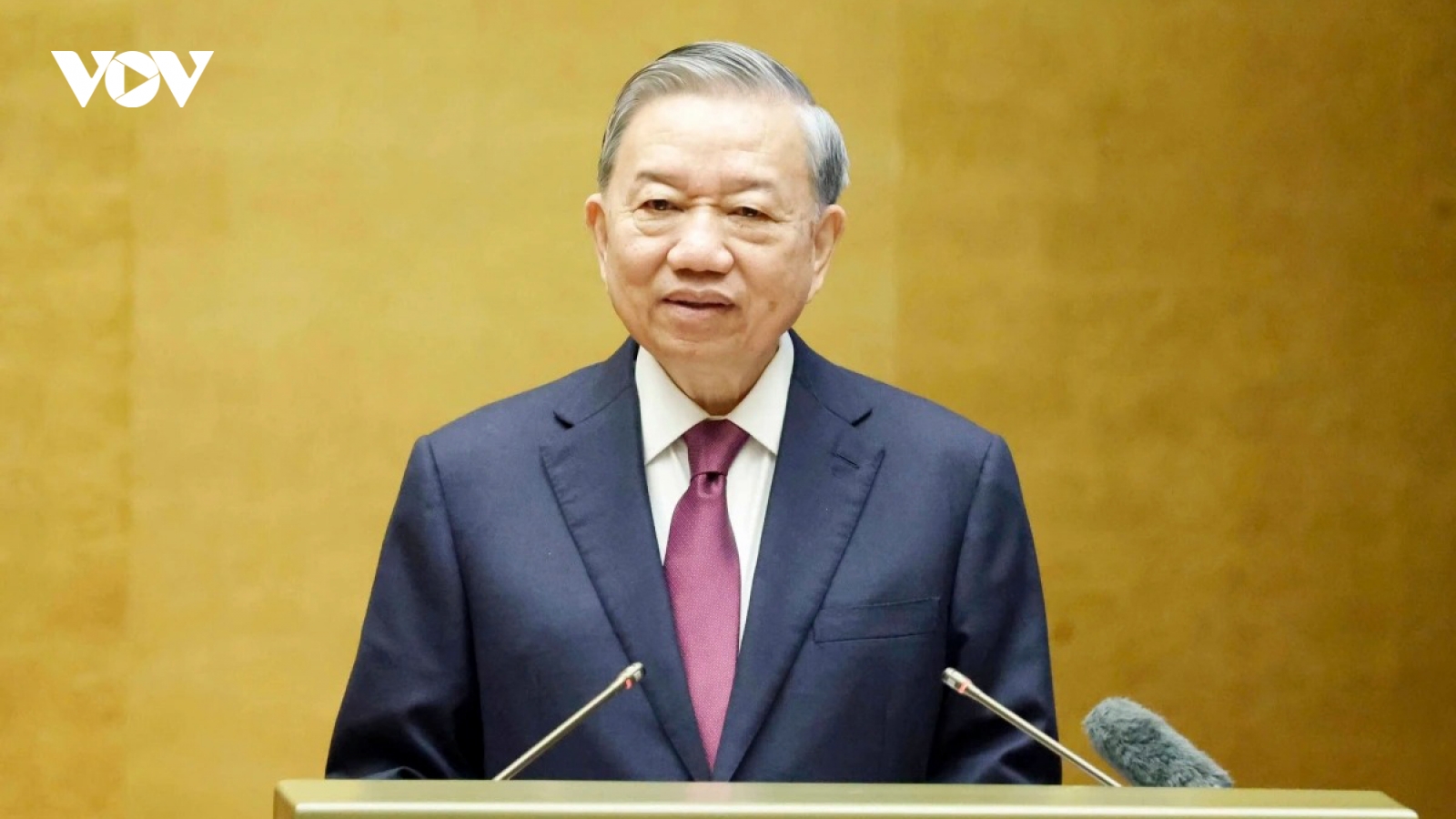
VOV.VN - The leading role of the state sector cannot be affirmed through slogans, and even less through subsidies, monopolies or an ‘ask–give’ mechanism, Party General Secretary and State President To Lam has emphasised.
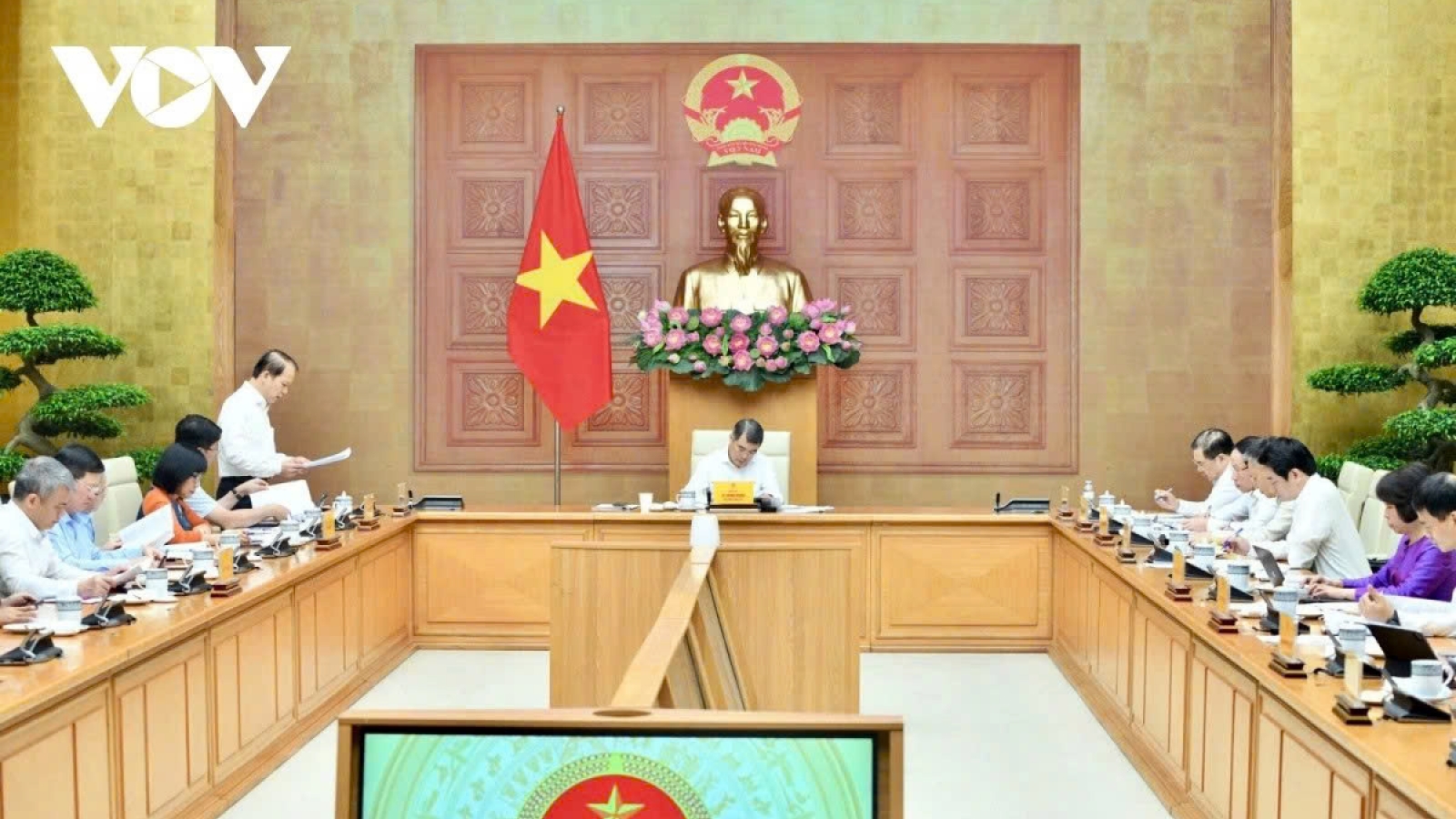
The leader made the statement while chairing the first meeting of the Central Steering Committee on institutional and legal reform, held in Hanoi on June 22.
He stated that the leading role of the state sector must be reflected in substantive capacity, including the ability to drive macroeconomic stability, safeguard major economic balances, and operate in full compliance with market discipline, financial discipline, and accountability requirements.
He also called for a comprehensive review of the legal framework to remove institutional bottlenecks, thereby improving the efficiency of state resource allocation and utilisation.
Reframing the role of the state sector within national resources
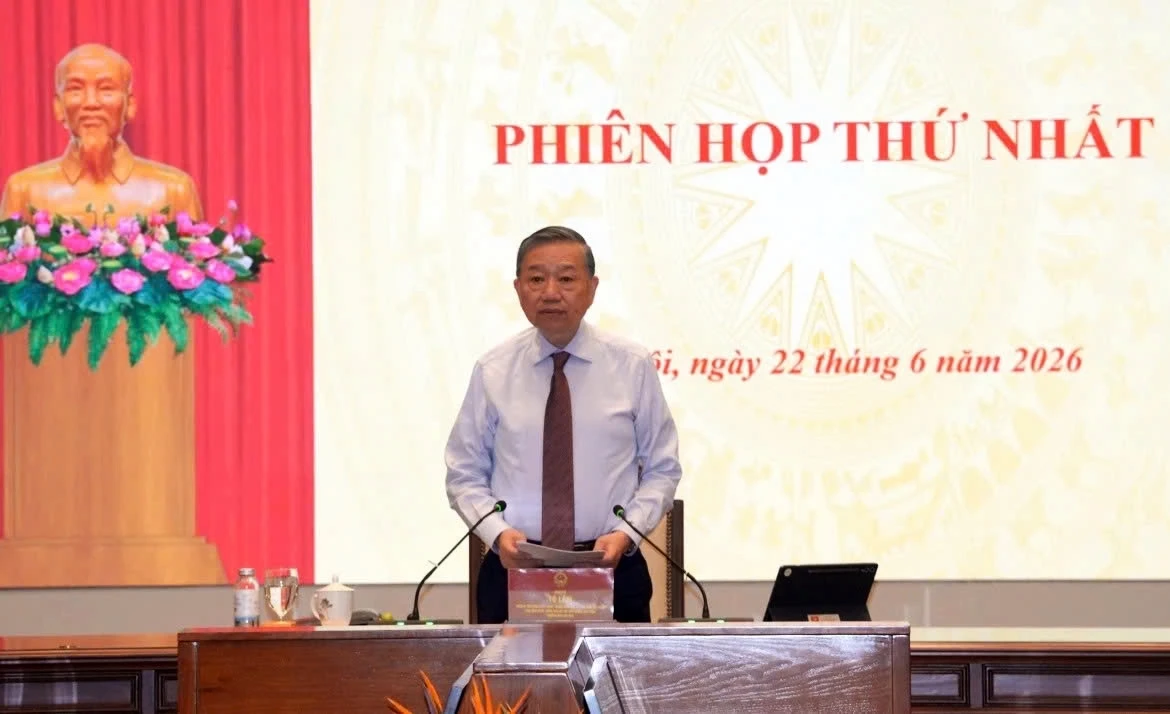
At the meeting, the General Secretary and State President requested a unified understanding of the state sector as an integrated system covering the state budget, public assets, land, natural resources, infrastructure, national reserves, state-owned enterprises, state financial institutions, and state capital in enterprises.
He underscored that improving the efficiency of state resource utilisation must be placed at the centre of institutional reform efforts, rather than focusing solely on administrative allocation mechanisms.
The meeting reviewed four major groups of issues, including state sector development, foreign direct investment, and measures to address air pollution in major urban areas.
For foreign investment, the top leader called for more selective incentive policies tied to commitments on technology transfer, workforce training, development of domestic supply chains, and green as well as digital transformation.
He also proposed establishing a national coordination mechanism for investment attraction, alongside a one-stop investment system and stronger monitoring of strategic investors.
On environmental management, he noted a shift from controlling individual emission sources to managing air quality based on outcome targets, supported by a unified environmental data system and early warning capabilities.
Accelerating administrative reform and law enforcement efficiency
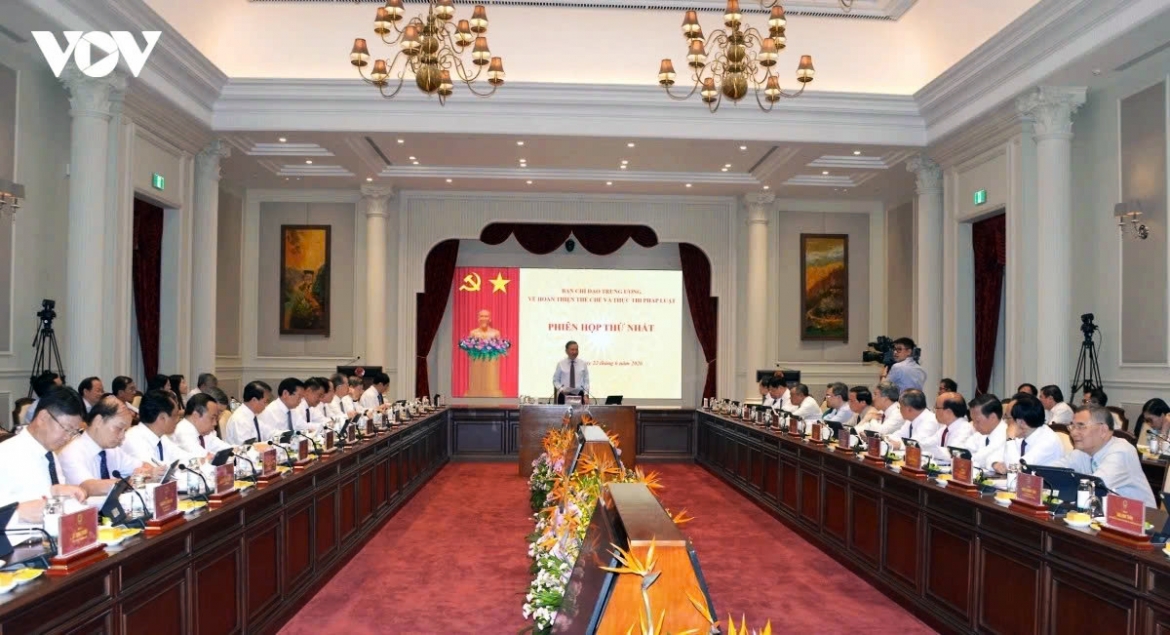
Another key directive was to continue cutting and simplifying administrative procedures and business conditions.
The General Secretary and State President stressed that this is not a short-term campaign but an ongoing institutional task, requiring a shift from pre-approval mechanisms to post-audit supervision based on risk management principles, while strictly controlling the issuance of new administrative procedures.
In the judicial sector, he called for revisions to the Criminal Procedure Code to strengthen its central role, enhance the protection of justice and civil rights, and improve checks and balances on state power.
Concluding the meeting, the leader praised the preparation work of relevant agencies and requested further refinement of draft proposals to ensure quality and timely implementation.
He urged ministries and sectors to prioritise resources for institutional and legal reform in 2026, considering it a core pillar for improving governance efficiency and driving sustainable development.
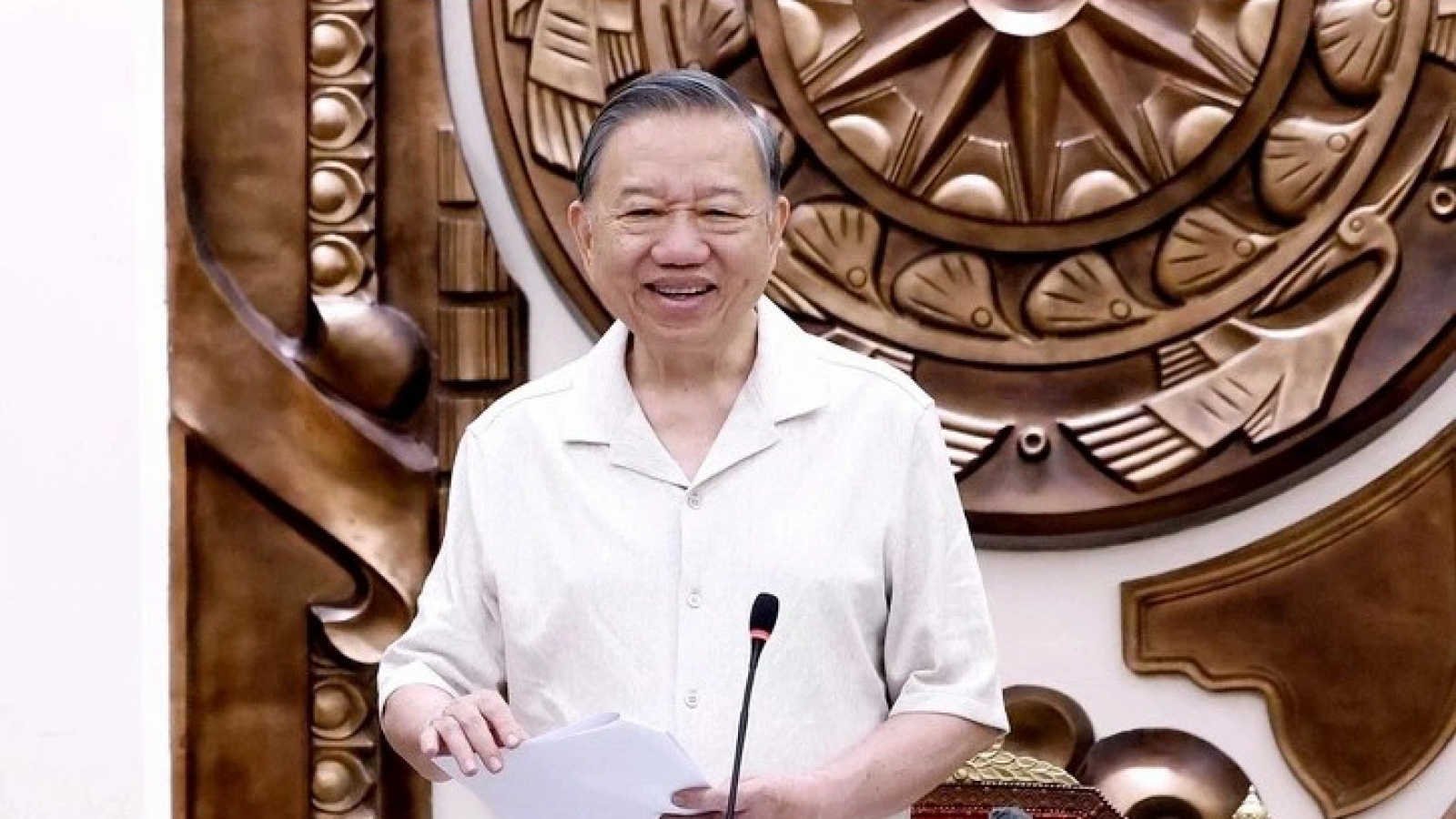
Top leader heads Central Steering Committee on institutional improvement and law enforcement
VOV.VN - On behalf of the Politburo, Party General Secretary and President To Lam has signed a decision establishing the Central Steering Committee on institutional improvement and law enforcement.