Vietnam rises as top destination for Filipino travelers

VOV.VN - Images of Vietnam’s landscapes, cuisine and travel experiences have appeared with increasing frequency across Philippine media outlets in recent months, reflecting the country’s growing appeal among Filipino travelers.
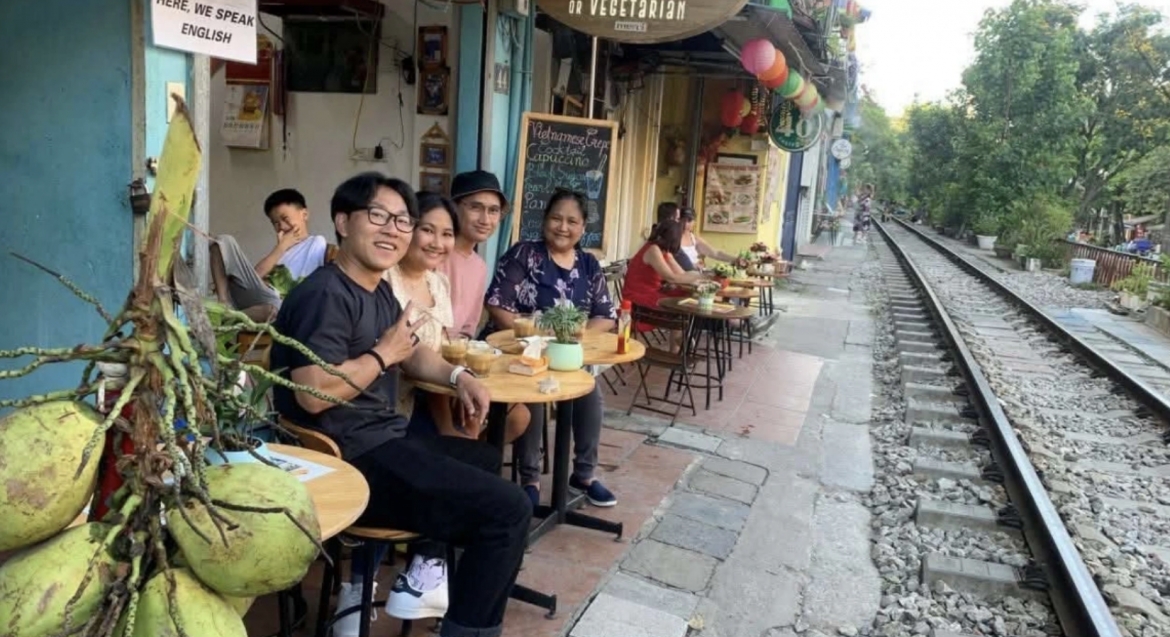
The trend comes as the Philippines surpassed Malaysia for the first time to enter the top 10 source markets sending visitors to Vietnam.
With more than 482,000 Filipino arrivals recorded in 2025, Vietnam is rapidly becoming one of the most attractive destinations for travelers from the Southeast Asian nation.
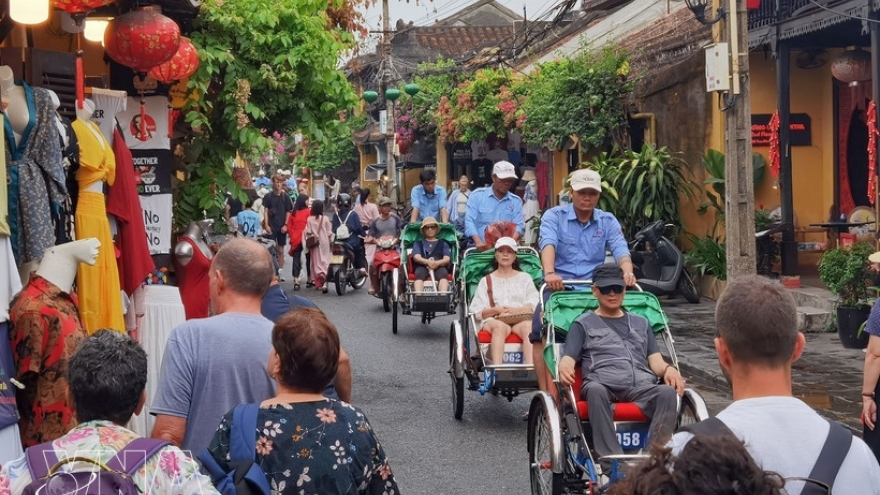
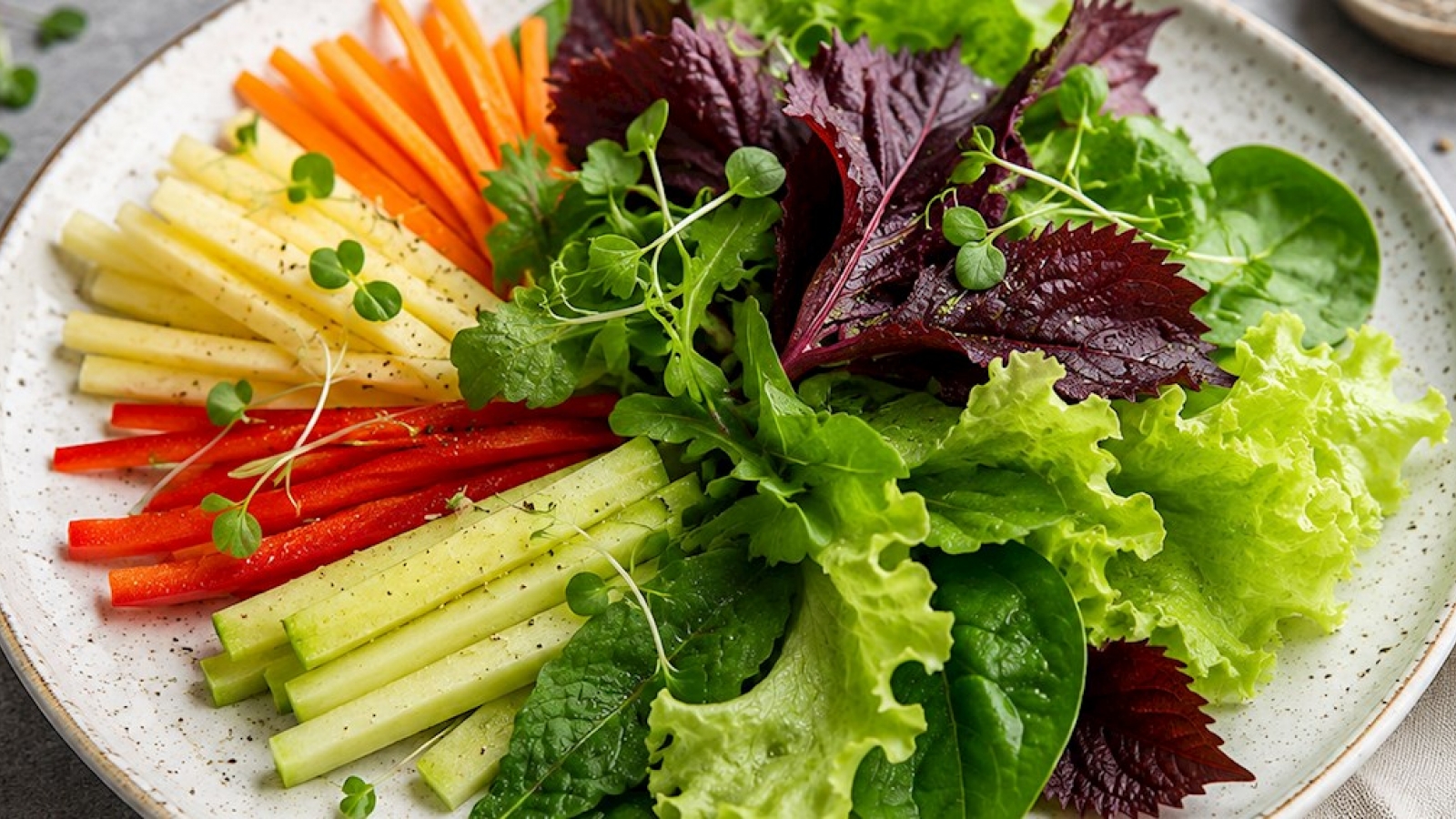
Through exchanges with Philippine visitors and tourism partners, Vietnamese tourism authorities found that Filipino tourists are particularly drawn to destinations such as Da Nang, Sa Pa, Phu Quoc and Nha Trang, along with Vietnam’s diverse and internationally recognised cuisine.
Based on their travel experiences, many Filipino visitors describe Vietnam’s tourism industry as developing at an impressive pace, with around 21 million international arrivals and strong competitiveness within the region thanks to a combination of modern infrastructure, long-term urban planning and diverse tourism services.
Many visitors also noted that Vietnam’s consistency in development policies has enabled the country to implement long-term urban, tourism and coastal infrastructure projects effectively, contributing to a modern and increasingly synchronised national landscape.
Nguyen Pham Hoang Nguyen of Song Xanh Travel in the Philippines expressed hope that the coming visit of General Secretary and President To Lam to the Philippines would open new areas of cooperation between the two countries, including in tourism.
Assessing tourism potential, Vietnamese Ambassador to the Philippines Lai Thai Binh said Vietnam and the Philippines share many similarities in tourism resources, natural conditions, and culture, and are both located in Southeast Asia, creating favourable conditions for product linkages and attracting visitors.
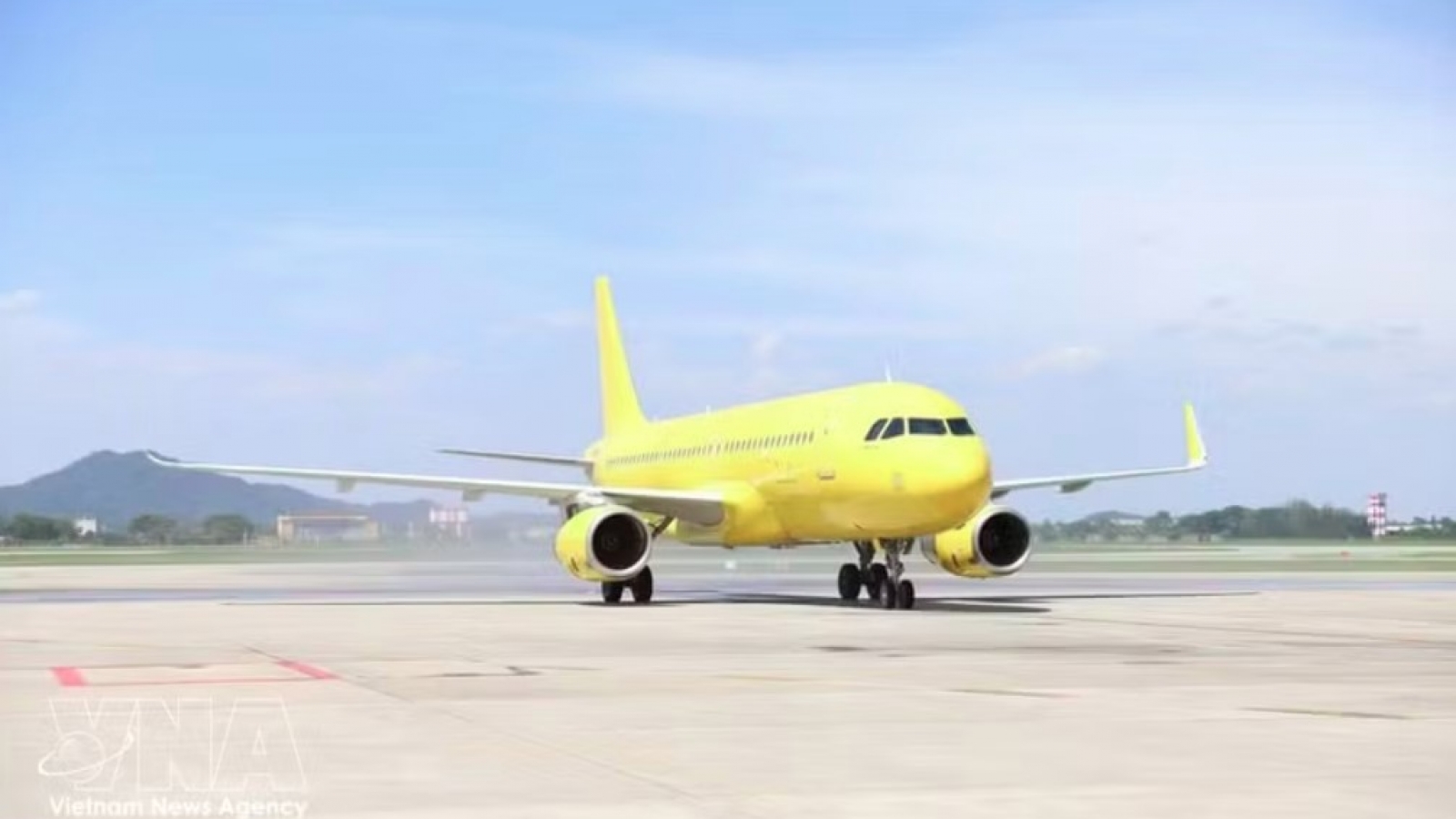
The expansion of direct air routes between major cities has significantly boosted tourist flows and people-to-people exchanges, especially given the geographical proximity of the two countries. Together with ASEAN visa-free policies, these factors provide a strong foundation for further tourism cooperation.
Ambassador Binh noted that in the context of increasingly important people-to-people exchanges, cooperation in tourism, culture, and education between Vietnam and the Philippines is showing clear progress.
A Vietnam–Philippines Tourism Cooperation Programme for 2026–2029 is currently being finalised and is expected to be signed soon, establishing an important legal framework to implement concrete activities and promote two-way tourist exchanges. Philippine airlines are also rolling out initiatives to attract more visitors, while the country is considering opening a tourism representative office in Vietnam to strengthen its presence and cooperation.
The growing number of tourists between the two countries reflects not only economic and trade links but also serves as a bridge strengthening bilateral friendship. Cultural exchanges, including the increasing popularity of Vietnamese cuisine and cultural products in the Philippines, have further deepened mutual understanding and ties between the two peoples.
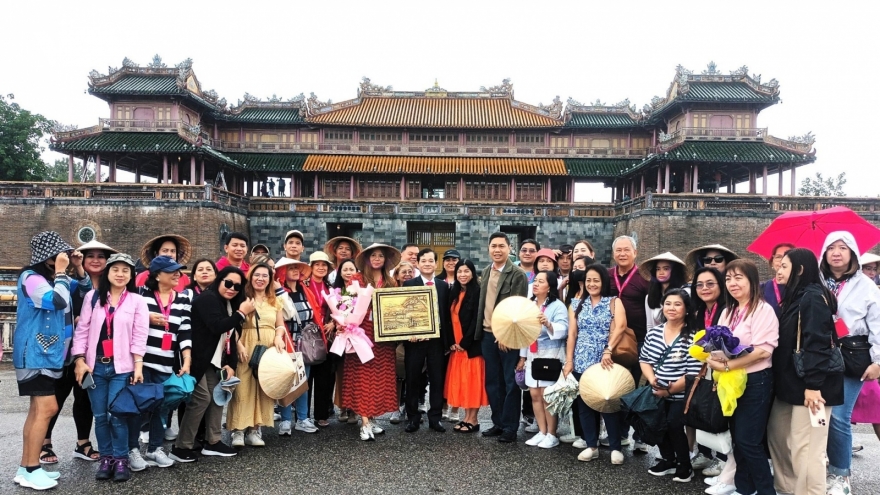
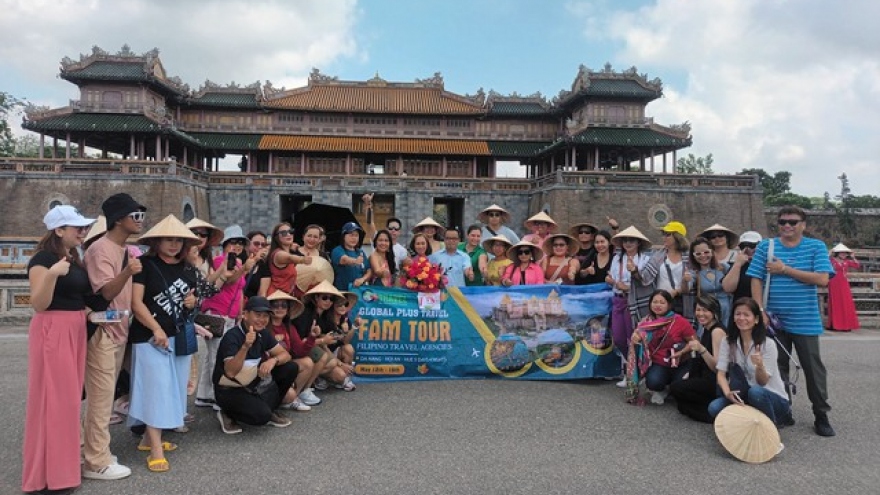
Filipino famtrip delegation survey tourist attractions in central Vietnam
VOV.VN - A famtrip team comprising of 60 Filipino travel firms conducted a trip to the coastal city of Da Nang, Hoi An Ancient City, and Hue from January 6 to January 11 in order to survey popular tourist attractions around the localities.