National Geographic explains how Hoi An’s creative scene is lighting up

VOV.VN - National Geographic, one of the world’s most widely read and respected travel magazines, has published an article, featuring the dynamic beauty of Hoi An (Da Nang City) as contemporary art, innovative cuisine, and new cultural spaces contribute to its unique vitality.

Lit by silk lanterns and lined with timber-framed shophouses, Hoi An is the jewel of Vietnam’s central coast, but this historic city also has a contemporary side, one where abstract artists and sophisticated bars illuminate hidden corners, the UK media outlet wrote.
Situated along the Thu Bon River, Hoi An has long been one of Vietnam's most celebrated destinations. Its Ancient Town, recognized as a UNESCO World Heritage Site, reflects centuries of cultural exchange and international trade.
These historical layers remain visible throughout the locality. The Japanese-built bridge, built by Japanese merchants in the 16th century, continues to serve as one of Hoi An's most recognisable landmarks. Traditional houses bearing Chinese architectural influences and adorned with French balustrades also contribute to the locality’s distinctive character.
Many buildings are garlanded with bougainvillea and painted a lemon-curd yellow, which caramelizes into a burnished gold as the sun begins to sink into the Thu Bon River each day.
Lanterns are closely associated with Hoi An, with local artisans continuing to preserve traditional lantern-making techniques that have been passed down through generations.
However, the magazine argued that Hoi An's attraction today lies not only in its heritage. The locality has seen the emergence of galleries, creative spaces, and contemporary cultural activities that contribute to a vibrant artistic atmosphere.
The publication also highlighted the gallery of French photographer Réhahn, alongside those by Vietnamese artists who draw inspiration from local life. Réhahn has lived in Hoi An since 2011 and is widely known for his photography documenting Vietnam's culture, landscapes, and ethnic communities.
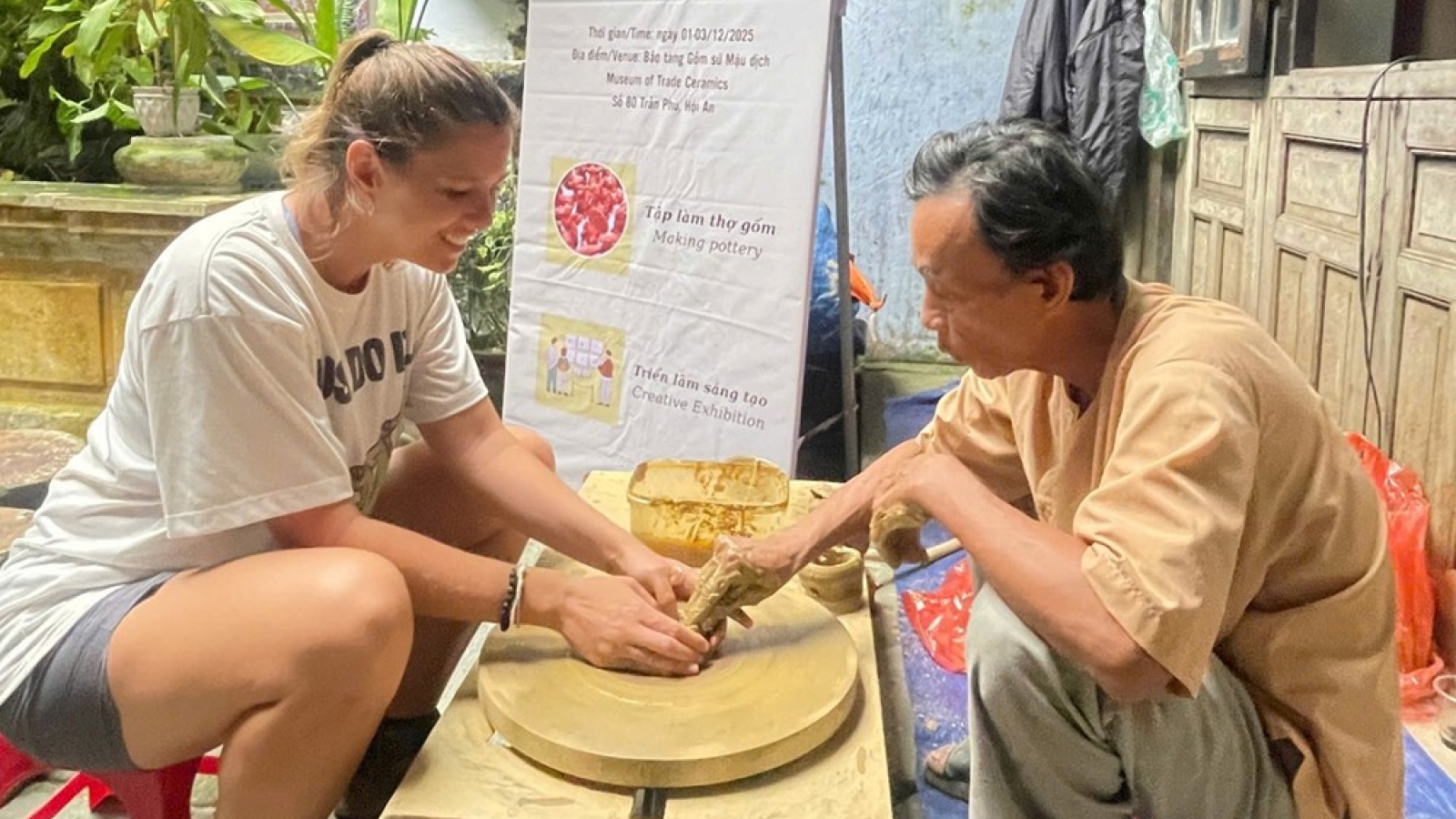
Traditional handicraft values are also preserved in new ways. In lantern-making classes, visitors can create their own products, from bamboo frames and silk fabric to decorative details. Handicraft shops in the Old Town also showcase many products made by local artisans.
Beyond the Ancient Town, Hoi An also boasts lesser-known, tranquil spaces. Cam Chau Ward, now part of Hoi An Dong Ward, nestled amidst rice paddies and mangrove forests along the river, offers a unique experience with traditional basket boat tours. Further afield is An Bang Beach with its white sand and activities such as kayaking and swimming.
Cuisine is also an important part of Hoi An's appeal. Many tourists come to Hoi An to enjoy bánh mì (baguette) – a dish that many consider to be one of the best in Vietnam. With its crispy crust and filling of grilled meat, pate, and vegetables, bánh mì has become a popular choice when exploring the ancient town.
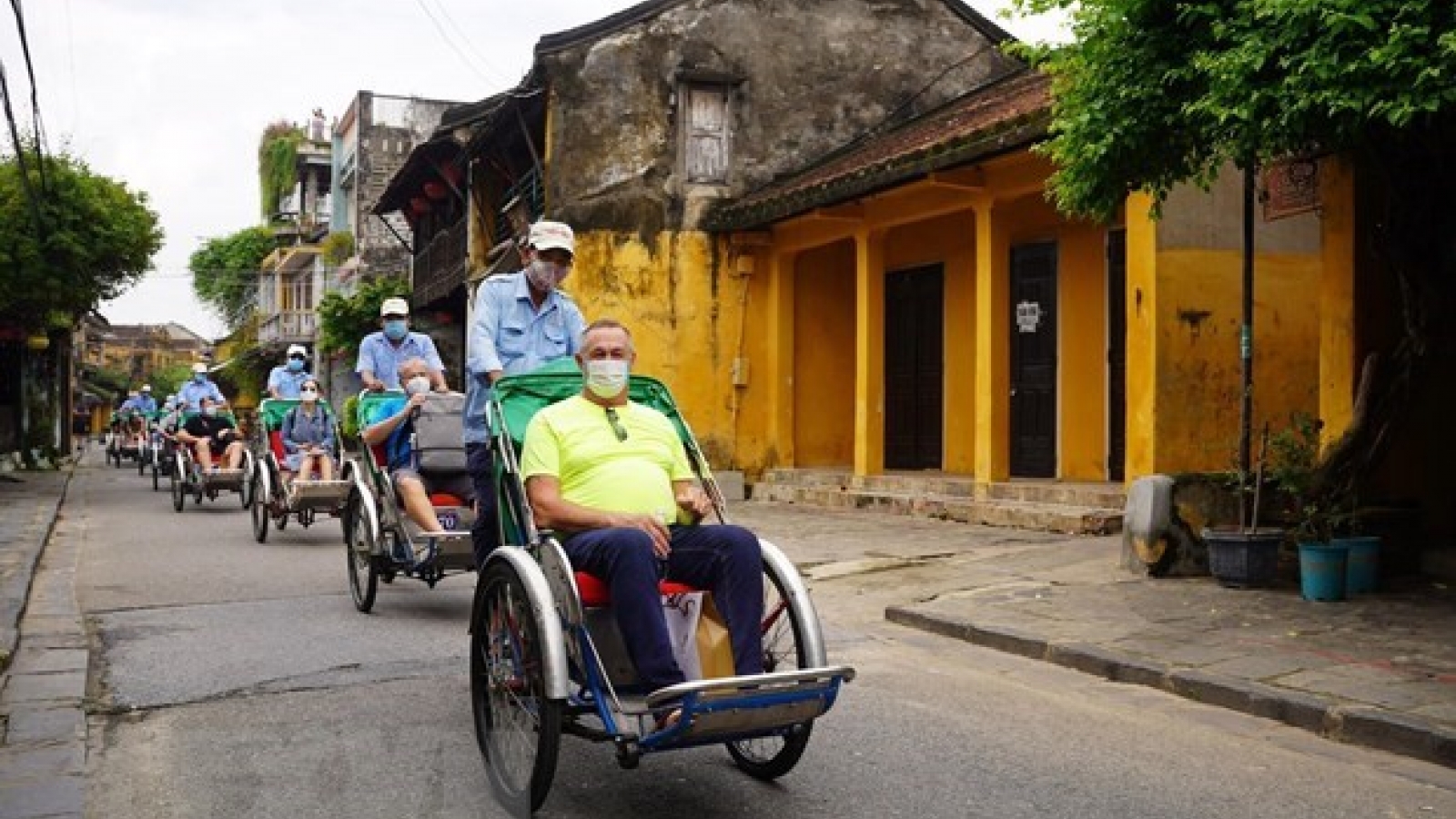
Hoi An Ancient Town – attraction of Asia's leading cultural destination
Stepping into the ancient town of Hoi An in the south-central province of Quang Nam, visitors can deeply feel a diverse and artistic blend of typical architectural works from the Japanese, Chinese, Vietnamese and French cultures.