Vietnam records US$1.8 billion trade surplus so far this year

The country posted a trade surplus of nearly US$1.8 billion in the first seven months of this year, according to the General Statistics Office (GSO).
 |
GSO experts attributed the surplus to a rise in export values, while import revenues declined.
The nation’s export turnover during the period rose 5.3% year-on-year to US$96.83 billion, while its import value saw a modest reduction of 1% to more than US$95 billion.
Of export turnover, foreign-invested businesses generated US$68.9 billion, up 6.5% year-on-year, while the remainder of US$27.93 billion came from domestic firms, surging 2.5% on-year.
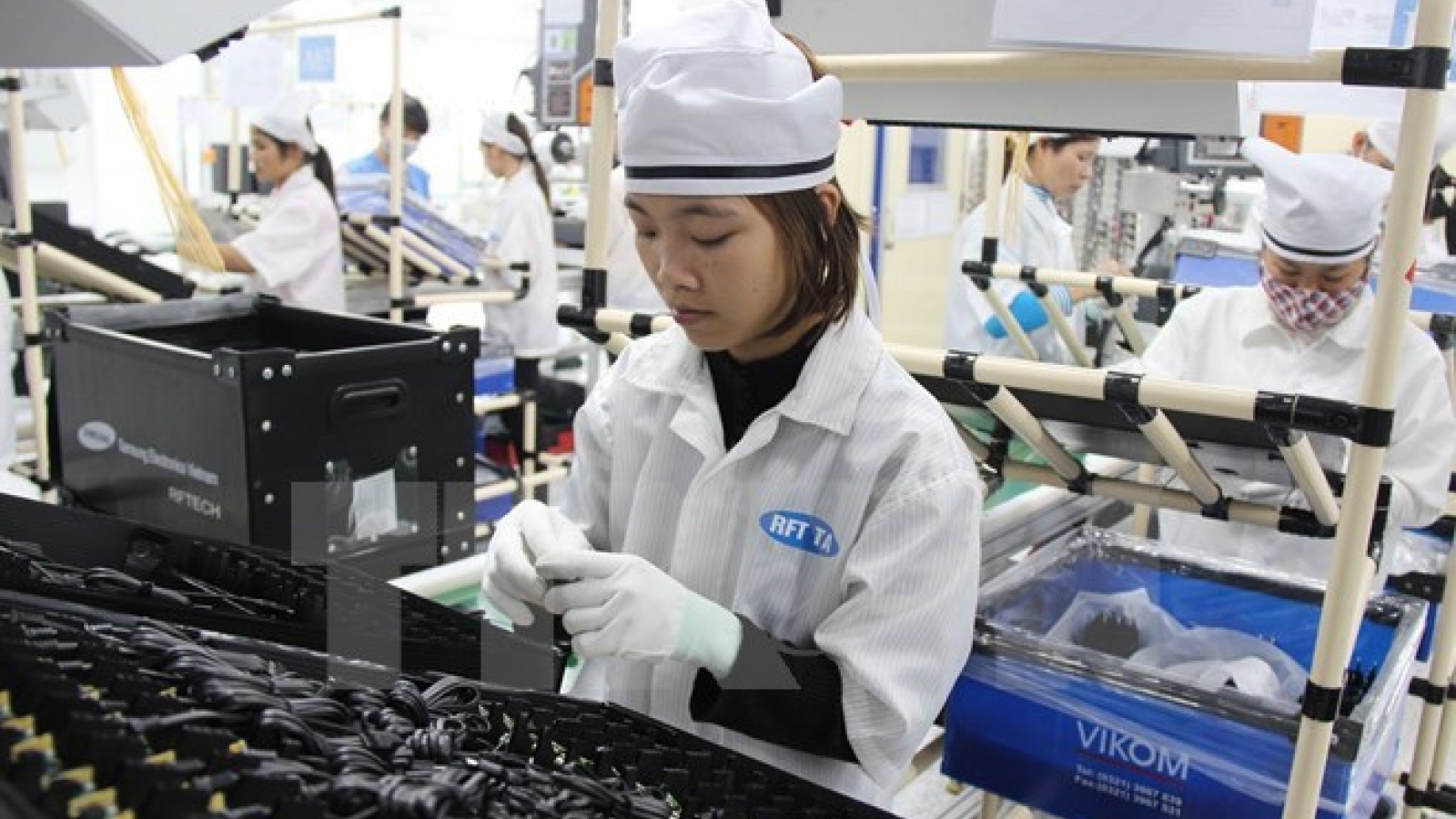
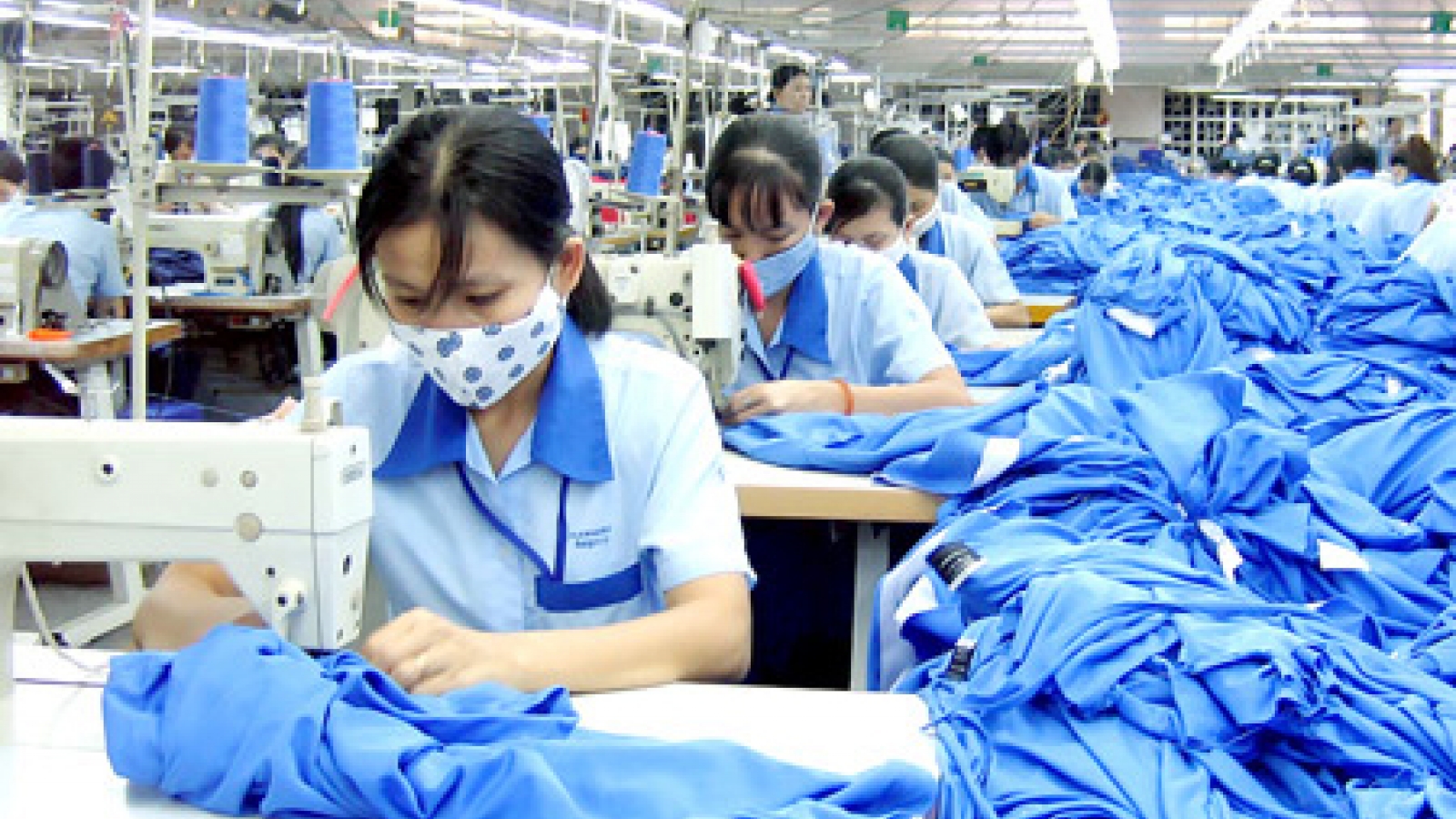
Some key export staples, during the first seven months, included mobile phones and components up 13.5% to US$19.5 billion; textile and garments up 5.4% to US$13.2 billion; electronics and components up 9.5% to US$9.4 billion; and footwear up 8% to US$7.53 billion.
Encouraging export growth was also seen in handbags, wallets, suitcases, hats and umbrellas, seafood, cashew nuts as well as fruit and vegetables.
However, exports of some products declined in this period, with crude oil slipping 44.5% to US$1.4 billion, cassava and cassava products slumping 28.5% to US$614 million, rubber down 10% to US$679 million and steel and iron sinking 3% to US$988 million.
As for imports, machines, equipment, oil and gas, as well as many raw materials, which account for nearly 92% of the country’s total import values, dropped 5.8% year-on-year to US$15.4 billion in seven months. Petroleum, animal feed also saw yearly reductions of 17% and 5%, respectively.
GSO said China remained Vietnam’s largest import market. From January to July, Vietnam imported US$27.4 billion worth of goods from China, nearly four times and five times higher than figures from Japan and the EU.
That has resulted in a trade deficit of US$16.7 billion Vietnam recorded with the neighboring country.
Vietnam was striving to fetch a total of US$178 billion from exports by year-end, up 10% from a year ago, and control trade deficit at 5%.