Dong Thap detects H5N1 avian influenza outbreak, culls infected ducks

VOV.VN - Veterinarians in Vietnam’s southern Dong Thap province have culled ducks infected with the H5N1 avian influenza virus after detecting an outbreak of highly pathogenic avian influenza in poultry locally.

According to the provincial Department of Agriculture and Environment, the outbreak was identified in Tan Thoi commune, where veterinary authorities have moved quickly to contain the disease and minimise potential risks of transmission.
Epidemiological investigations found that a flock of 420 French Muscovy ducks raised for meat began showing signs of illness on June 5. The ducks, approximately 75 days old, had not been vaccinated against avian influenza.
Samples collected from the flock were tested by the National Centre for Veterinary Diagnosis and Testing No. II. Laboratory results confirmed the presence of the H5N1 avian influenza virus on June 11.
Before the disease was officially detected, 230 ducks had already died.
Following confirmation of the outbreak, veterinary authorities culled the remaining birds and carried out disinfection measures in and around the affected area. Approximately 500 liters of disinfectant were deployed for sanitation and disease-control operations.
Health and veterinary authorities said family members and workers involved in raising and handling the infected poultry had been exposed to potentially contaminated animals, waste and farming environments.
Individuals who participated in collecting dead birds, disposing of carcasses and cleaning poultry facilities are currently under health monitoring.
To date, no suspected or confirmed human infections linked to the outbreak have been reported.
Provincial authorities have instructed local agencies to strengthen disease surveillance, review poultry populations in affected and surrounding areas and implement emergency vaccination campaigns.
Free avian influenza vaccination is being provided to eligible households under government support programmes, while other poultry farmers are being encouraged to vaccinate their flocks proactively.
Authorities aim to achieve vaccination coverage of more than 90% of poultry in the outbreak zone and over 80% across the locality to reduce the risk of further outbreaks and prevent potential transmission.
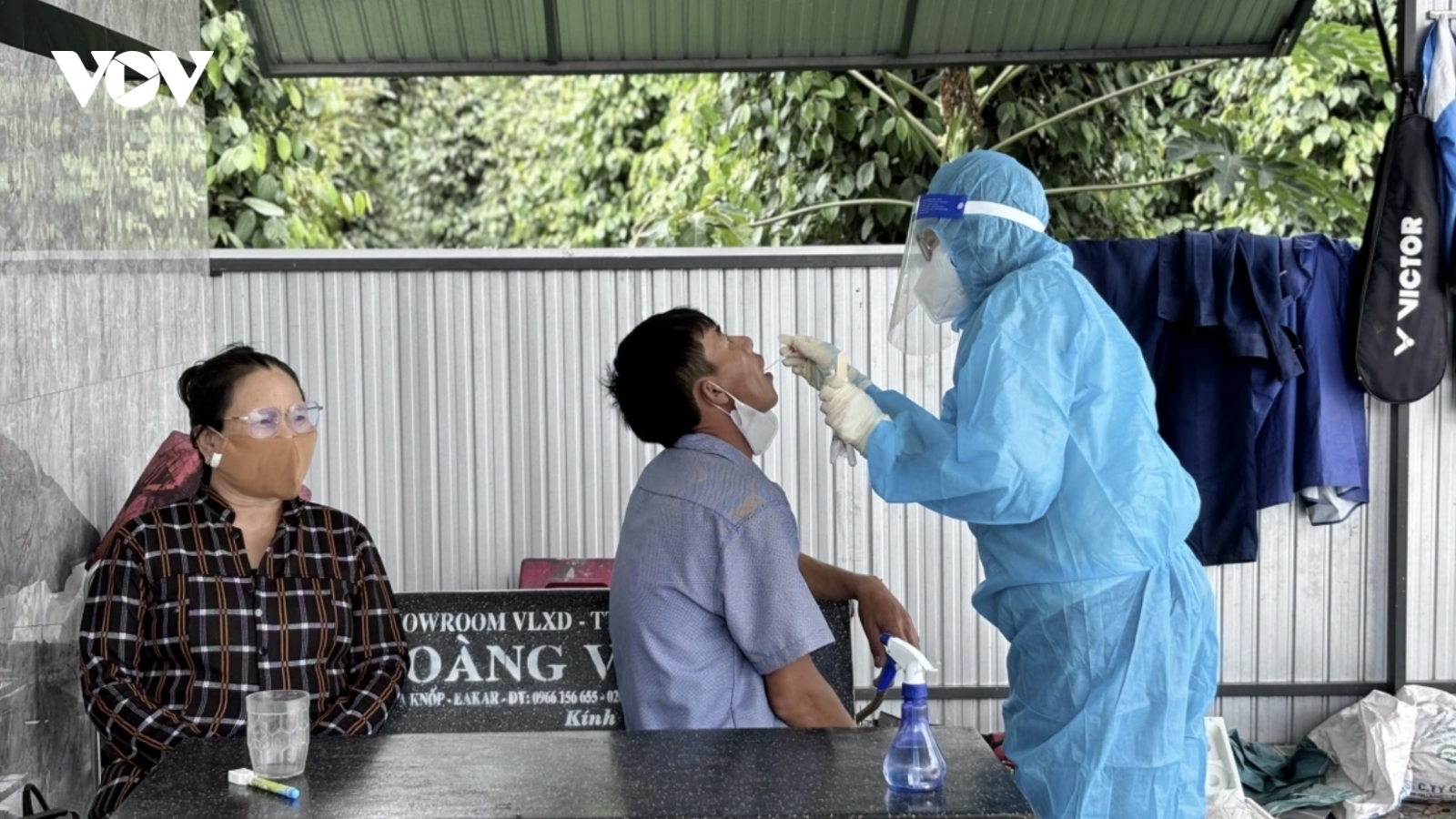
H5N1 outbreak hits Dak Lak poultry farm
VOV.VN - An outbreak of H5N1 avian influenza has been confirmed at a farm in Ea Knop commune, central highland Dak Lak province, prompting the culling of hundreds of chickens, according to the provincial Department of Animal Husbandry and Veterinary Medicine.