Party and State leader emphasizes educational equity in new development period

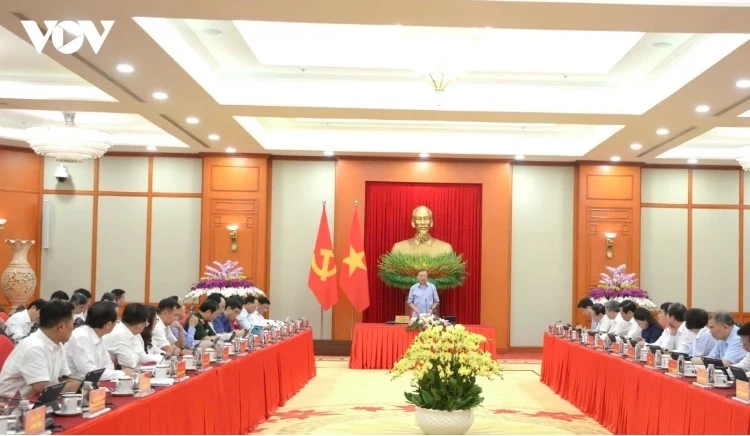
VOV.VN - Party General Secretary and State President To Lam has directed the Ministry of Education and Training (MoET) to develop a set of indicators to monitor educational equity across regions, demographic and vulnerable groups.
He stressed that support policies should follow the principle that areas facing greater difficulties receive greater assistance and teachers in disadvantaged areas receive better incentives.
The top Vietnamese leader chaired a working session on June 15 in Hanoi with the education sector and relevant agencies on preparations for the 2026-2027 academic year and the implementation of Politburo Resolution No. 71, issued on August 22, 2025, on breakthrough development in education and training.
Concluding the meeting, To Lam said preparations for the new academic year were being actively carried out by the MoET and localities across multiple areas, including enrolment, facilities, school networks, teaching staff, curricula, textbooks and support policies for learners. He noted that after 10 months of implementing Resolution 71, the political system had recorded positive changes in awareness, leadership thinking, direction and implementation.
At the same time, he pointed to a number of shortcomings in the education sector, including the continued burden of education costs, extra classes, examinations and enrolment on students and their families.
Regarding priorities ahead, To Lam stressed that preparations for the 2026-2027 academic year would serve as the first test of the practical implementation of Resolution 71. He called on provincial and municipal Party committees to ensure sufficient schools, classrooms, facilities, textbooks and minimum teaching equipment, while upholding the principle that wherever there are students, there must be teachers. He also stressed that no student should be prevented from attending school because of difficult circumstances.
He also urged classroom standards to be tailored to conditions in different regions and for school planning to be integrated into urban development plans and new residential areas. Local authorities were urged to resolve land and investment procedure bottlenecks affecting school construction projects in major urban centres, industrial zones, rapidly growing areas, disadvantaged regions and border localities.
He also called for stronger efforts to tackle school violence, promote moral education and healthy lifestyles among students, build a disciplined and humane educational environment, control education-related costs, and address excessive private tutoring and achievement-driven practices. In addition, he asked the Government to promptly introduce policies allowing surplus public service buildings and redundant state office premises to be converted into educational and healthcare facilities, preventing waste while public demand for education and healthcare services remains high.

Underlining the need to reform education in line with the country’s goals of rapid, sustainable and self-reliant development in the new era, To Lam said the sector should shift from an education management mindset to an education development governance approach.
Education must stay one step ahead in preparing high-quality human resources, skilled workers, and personnel for science and technology, innovation, digital transformation, artificial intelligence and other strategic sectors, he added.
Looking ahead, he said the MoET should maintain its central role in setting professional standards, quality benchmarks and development orientations for the education system, while granting greater autonomy to schools, principals and teachers alongside stronger accountability. He also called for outdated regulations to be reviewed, administrative procedures streamlined and a unified education database developed.
To Lam further urged substantive improvements in vocational education and student streaming, as well as reforms in higher education, including the development of elite universities and centres of excellence.
On educational equity, he reiterated the need for the MoET to develop indicators to monitor equity in education across regions, demographic groups and vulnerable groups.
For ethnic minority, mountainous, border and island areas, he called for priority to be given to early childhood education, Vietnamese-language preparation before Grade 1, boarding facilities, school meal programmes, teacher housing and safe routes to school.
For children with disabilities and those in difficult circumstances, he underscored the importance of meaningful inclusive education, supported by specialised teachers, assistive equipment, appropriate programmes and links between education, healthcare and social services.
To Lam said the implementation of Resolution 71 must be accompanied by discipline, regular inspections and continuous supervision.
All education policies should be measured by the progress, well-being and future prospects of learners, and instructed the MoET to incorporate feedback from the meeting, translate it into concrete action plans and ensure effective implementation from the 2026-2027 academic year, he added.
Vietnam should prioritise digital education, AI and green energy: Israeli expert
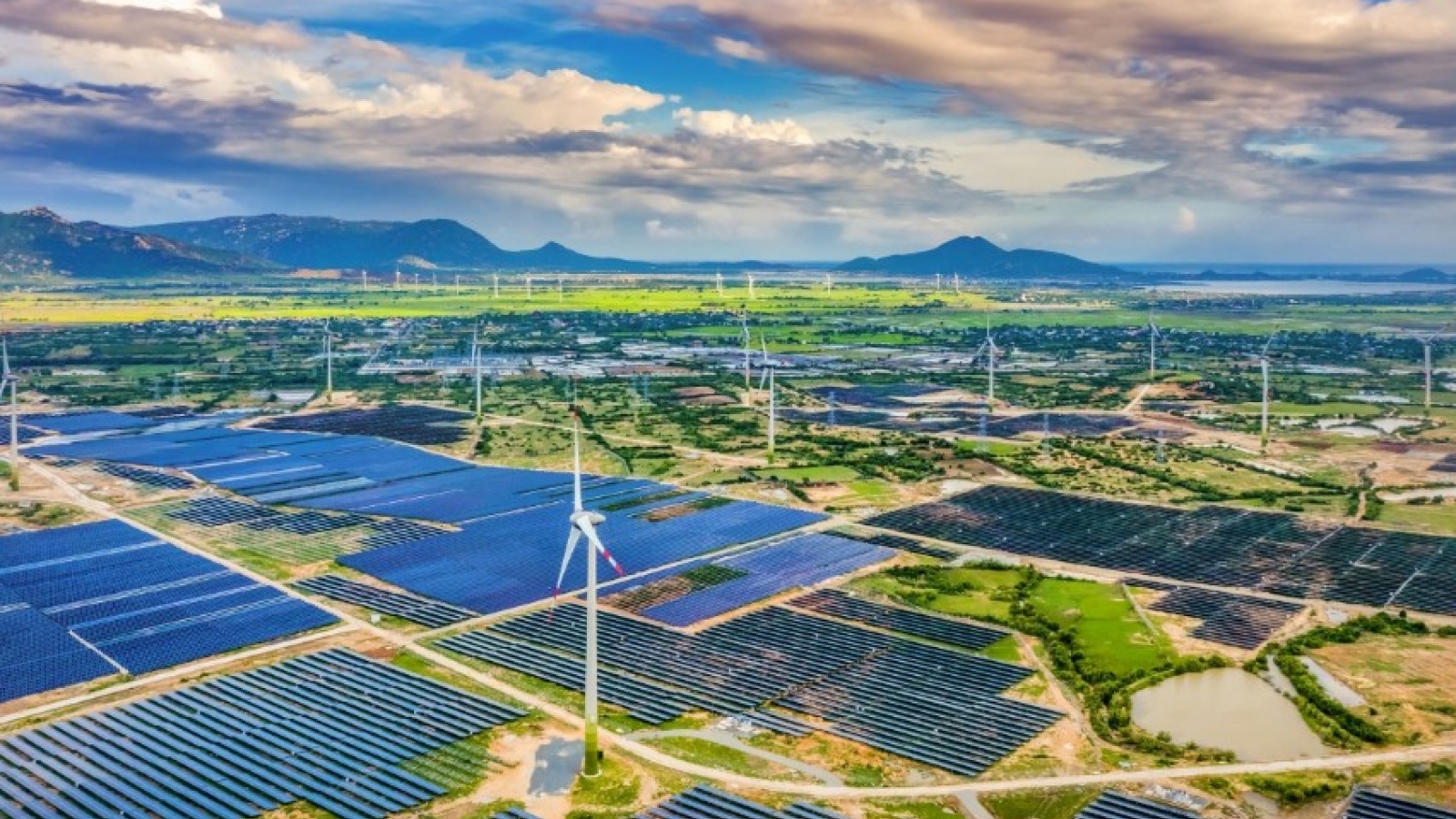
VOV.VN - Mel Shalev, a former senior Israeli technology expert with more than 40 years of experience in the technology sector, including 37 years at IBM, believes Vietnam's greatest resource lies not in capital or natural resources but in its people, particularly its younger generation and a long-standing cultural emphasis on learning.
Education Ministry adopts single textbook set from 2026–2027 school year
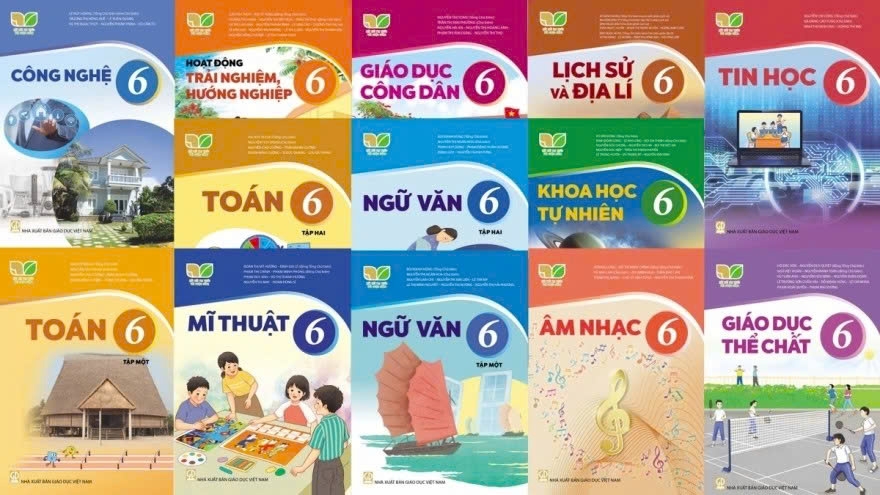
VOV.VN - The Ministry of Education and Training (MoET) has decided to adopt a single nationwide textbook set starting from the 2026–2027 academic year, citing insufficient time to develop a new series.