Land use planning must avoid fragmented development, Deputy PM says

VOV.VN - Deputy Prime Minister Ho Quoc Dung has stressed that Vietnam's revised national land-use plan should not only address immediate development needs but also incorporate a long-term vision through 2050 to ensure a unified development space across regions and localities.
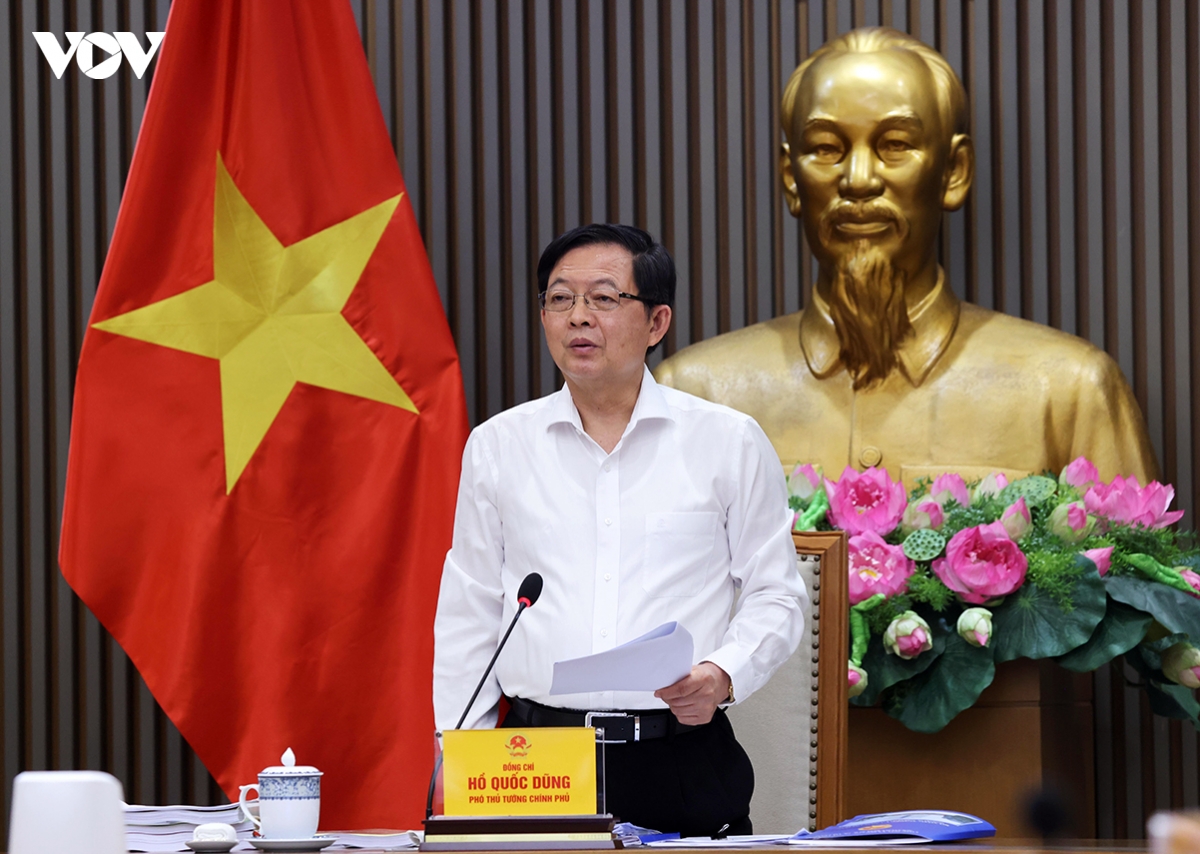
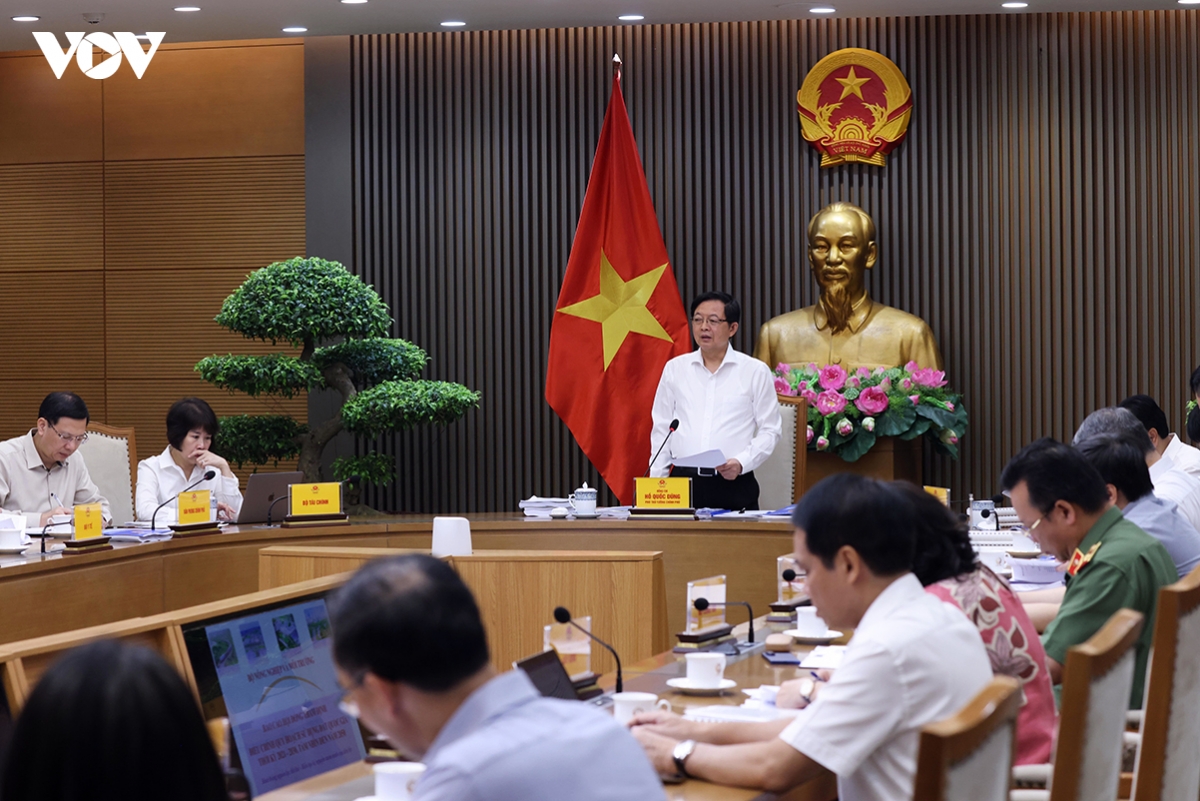
The remarks were made at a government appraisal meeting on the adjustment of the National Land Use Plan for the 2021-2030 period, with a vision to 2050, held in Hanoi on June 22.
According to the Deputy Prime Minister, who is also chairman of the appraisal council, land-use planning in the new development phase should be viewed as a strategic tool for designing the country’s development space rather than merely allocating administrative land quotas among localities.
He emphasised the importance of ensuring strong regional connectivity and integrated development, warning against fragmented planning that could lead to inefficient use of land resources and missed development opportunities.
The planning process must stay one step ahead, creating a foundation for improving institutions, policies and relevant legislation while ensuring consistency throughout the national planning system from the central to local levels, he said.
A key priority of the revised plan is to promote efficient, economical and sustainable land use, alongside balancing economic growth with environmental protection, climate change adaptation and social welfare objectives.
Land resources will be prioritised for industrial parks, strategic infrastructure projects, logistics hubs, major urban areas and energy developments. At the same time, the government aims to maintain stable rice-growing land and preserve forest coverage at more than 42%.
The Deputy Prime Minister also highlighted the long-standing issue of suspended planning with long-delayed or unimplemented planning projects.
According to him, such delays not only waste valuable land resources but also negatively affect the rights and interests of local residents. He called for the issue to be comprehensively addressed during the current planning revision process.
The draft revised plan places significant emphasis on modernising land administration through the development of a nationwide integrated land database.
Advanced technologies, including artificial intelligence (AI), big data, the Internet of Things (IoT) and geographic information systems (GIS), are expected to be deployed to monitor land-use changes, support policymaking and detect violations more effectively.
Regarding implementation measures, the Ministry of Agriculture and Environment has proposed further improvements to land-related policies and financial mechanisms, including new criteria for land-use conversion that align with evolving development requirements.
Digital transformation has been identified as a central pillar in the future management and operation of Vietnam's land administration system.
Concluding the meeting, Deputy Prime Minister Ho Quoc Dung described the adjustment of the national land-use plan as a strategic task with long-term significance for national development.
He reiterated that the plan must look beyond immediate objectives and provide a clear vision through 2050, ensuring coherent development across regions and localities while maximising the long-term value of Vietnam’s land resources.
Resolution 17 removes land, environmental bottlenecks to unlock development resources
VOV.VN - The Government’s Resolution 17 focuses on removing constraints in land access and environmental procedures to unlock development resources, as Vietnam seeks to advance modern agriculture and a green economy.