Vietnam explores ‘scent tourism’ based on local aromatic resources

VOV.VN - A representative from the Da Nang Tourism Association has proposed a new approach to tourism development by leveraging "olfactory heritage" derived from indigenous resources at an international conference on scent and perfume in tourism, recently held in France.

This idea is expected to pave the way for emotionally engaging tourism products, enhance the experiential value, and boost the destination's competitiveness.
At the conference held in Nice on June 16, Nguyen Duc Quynh, vice chairman of the Da Nang Tourism Association, said Vietnam is not only rich in landscapes, cultural heritage and cuisine, but also possesses a unique “memoryscape of scents” that can be developed as an intangible tourism asset.
According to Quynh, fragrances deeply embedded in Vietnamese culture such as lotus, agarwood incense, cinnamon and star anise used in cuisine, lemongrass in spa treatment, or the scent of the sea after rainfall along the central coast have the ability to create lasting emotional impressions and become powerful destination memories.
He noted that while travelers may forget details of their itinerary, they often remember the distinctive scent of a place they have visited, forming a lasting emotional connection with the destination.
He also pointed out that Central Vietnam is home to distinctive local aromatic resources that can contribute to creating a scent map of Vietnamese tourism. The region also has a rich ecosystem of local aromatic ingredients such as cinnamon, cajeput, lemongrass, ginger, basil, mint, fragrant wood and more.
Among them, Tra My cinnamon and Hue cajeput are two representative ingredients that can be developed into tourism products, wellness products, spa items, cosmetics, ambient fragrances and premium gifts.
If properly researched and standardised, these ingredients could well serve as the foundation for scent-based tourism products that deeply embody the Vietnamese identity, the Da Nang official stressed.
In recent years, Da Nang has continued to affirm its position as a leading tourism hub in Central Vietnam, achieving impressive growth. In 2025, the city served over 17.3 million visitors including more than 7.6 million foreign arrivals, generating approximately VND60 trillion in revenue from accommodation, dining, and travel services. Da Nang currently boasts 2,365 accommodation establishments with nearly 62,000 rooms, of which over 31,000 meet four- to five-star standards.
Against this backdrop, Quynh believed that developing tourism through the usage of scent represents a new approach, and it’s suitable for high-value segments such as resort tourism, wellness, MICE, and luxury retreats.
Sharing this view, Dr. Cao Tri Dung, chairman of the Da Nang Tourism Association, suggested Da Nang develop products capable of creating emotional connections with visitors.
Scent offers a sophisticated approach that directly connects with memories and regional identity while enhancing the quality of the service experience, he noted.
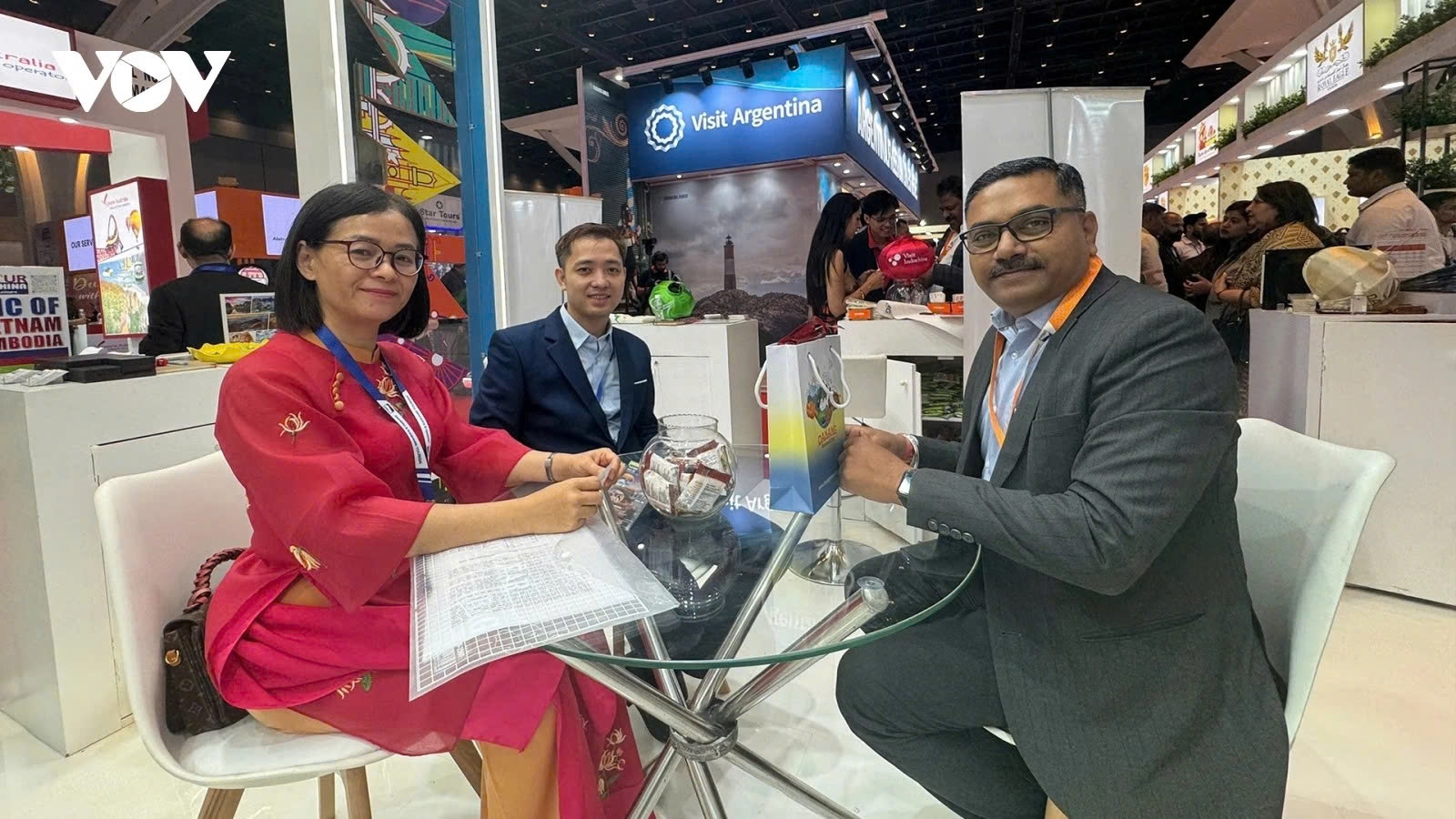
Da Nang promotes MICE, wedding tourism brand at OTM 2026
VOV.VN - The central coastal city of Da Nang has stepped up promotion of its MICE, wedding tourism brand at Outbound Travel Markets (OTM) 2026 taking place at Jio World Centre in Mumbai, India, from February 5 to 7.