Public investment disbursement reaches 21.6% of 2026 target

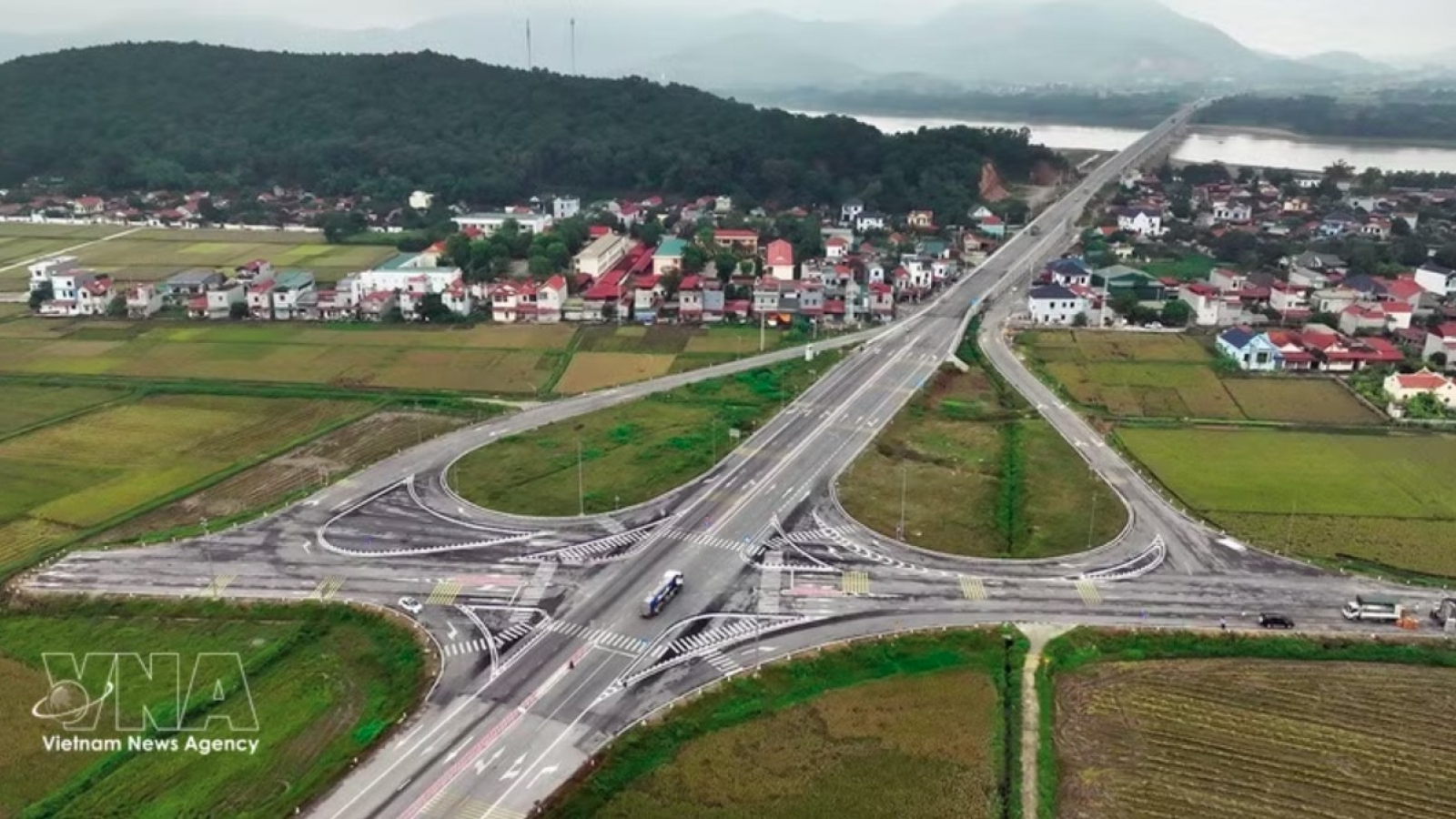
Vietnam disbursed nearly VND219.36 trillion (US$8.3 billion) in public investment capital during the first five months of 2026, equivalent to 21.6% of the plan assigned by the Prime Minister, according to the Ministry of Finance (MoF).
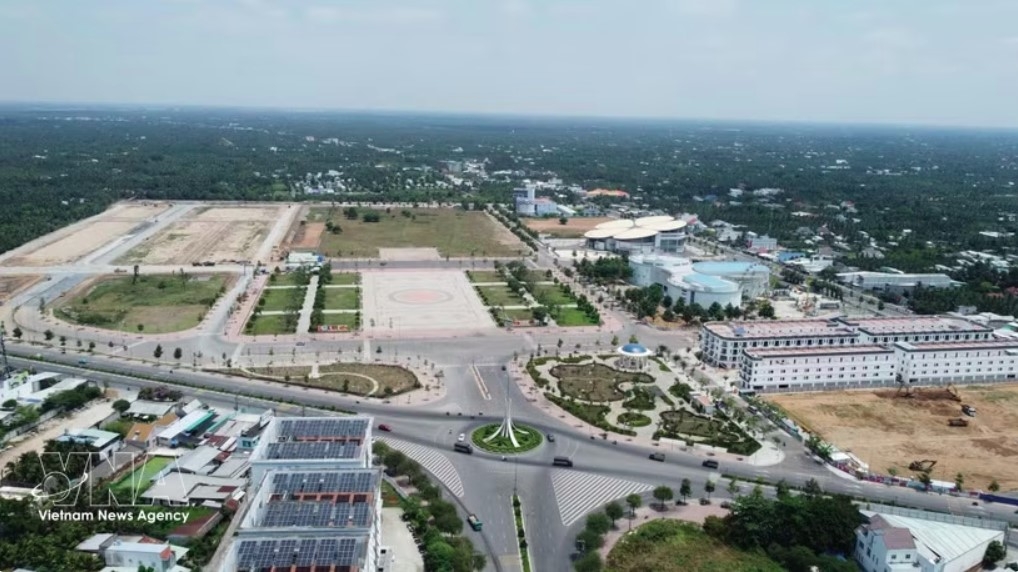
Central-budget disbursement totalled VND70.64 trillion, fulfilling 19.4% of the annual target, while local-budget disbursement approximated VND148.72 trillion, or 22.9%. Although the disbursement rate was broadly unchanged from a year earlier, the disbursed amount increased by nearly VND34.82 trillion.
The MoF said the National Assembly approved a record VND1.08 quadrillion public investment plan for 2026, about VND175 trillion higher than the previous year. Of this, the Prime Minister has allocated VND1.01 quadrillion to ministries, central agencies and localities.
By the end of May, detailed capital allocations for projects and programmes had reached VND1.004 quadrillion. Excluding additional local-budget allocations, the figure stood at VND990.71 trillion, representing 97.8% of the plan assigned by the Prime Minister.
The remaining VND22.73 trillion, equal to 2.2% of the assigned plan, has yet to be allocated by 12 ministries, central agencies and 12 localities, largely due to incomplete investment procedures. Some agencies have also proposed transferring unused capital to sectors and localities with stronger funding needs.
Despite progress in capital allocation, public investment disbursement continues to face multiple obstacles. The ministry cited shortages of construction materials and rising input costs, which have forced adjustments to project contracts. Delays in site clearance, linked to unresolved issues involving land origin verification, compensation rates and resettlement plans, have further slowed project implementation.
Disbursement has also been affected by the fact that many project investors spent the early months of the year completing project designs, cost estimates, approvals and contractor selection processes, resulting in limited volumes of completed work eligible for payment.
Additional challenges include capital plans that do not fully reflect implementation capacity, weaknesses in project preparation, and the need to revise projects or return allocated funds. The ministry also pointed to shortcomings in the capacity and accountability of some project investors, management boards and contractors while staff shortages in a number of communes and wards have hampered project execution.
To accelerate progress, the MoF urged ministries, sectors and localities to step up the implementation of the Prime Minister’s directives, strengthen accountability among agency leaders and proactively address bottlenecks.
Authorities were also instructed to closely follow government directives on site clearance and construction material management. The Ministry of Construction has been tasked with monitoring market developments, coordinating with localities to stabilise material prices and responding promptly to supply disruptions, particularly amid prolonged geopolitical tensions in the Middle East.
The MoF called for stricter discipline in project implementation, including firm action against poor-performing organisations and individuals leading to delays. Local authorities were asked to ensure adequate staffing for public investment management, especially in remote and disadvantaged areas.
The MoF also requested ministries and localities to regularly update disbursement data on its digital platform to support monitoring, evaluation and the operation of the Government’s KPI-based public investment tracking system.
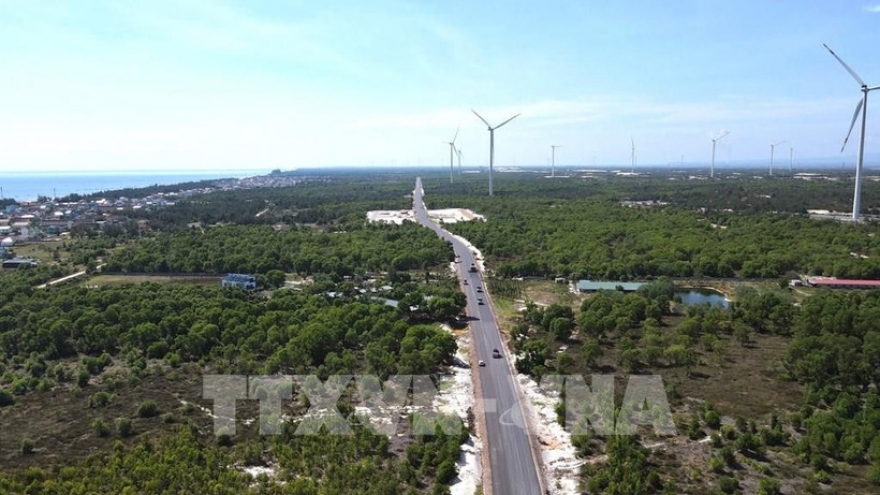
Public investment disbursement slow despite record capital scale
Public investment disbursement in the first two months of 2026 remained modest despite the year marking the start of the 2026–2030 public investment plan with record capital of over VND995 trillion (US$37.9 billion), rising to more than VND1 quadrillion when additional local allocations and extended funds are included.