Electronics industry eyes deeper integration into global technology value chains

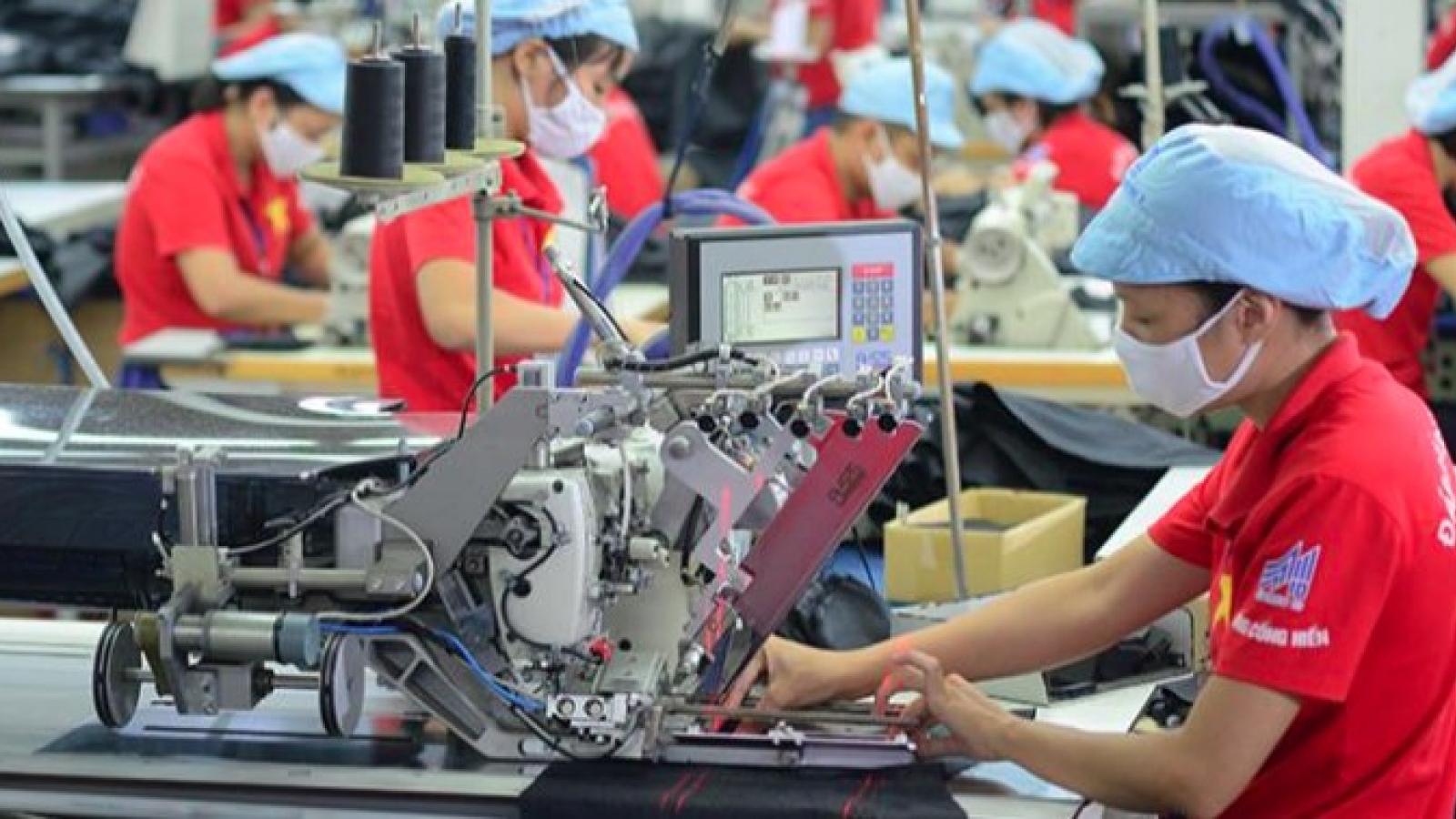
Vietnam is well positioned to deepen its participation in global technology value chains as the electronics industry undergoes profound restructuring driven by artificial intelligence (AI), digital transformation, with building smart electronics supply chains considered a strategic priority for governments, businesses.

Mickaël Driol, CEO of Mekong Partners, Vietnam has moved beyond competing solely on low labour costs. Increasingly, global manufacturers are turning to the country as part of broader diversification strategies. Vietnam has emerged as one of the few markets capable of absorbing large-scale industrial investment while maintaining access to multiple global economies.
The nature of foreign investment is also evolving. Multinational corporations are no longer simply relocating factories but are establishing supplier networks, technical capabilities and regional operations centres. As a result, Vietnam’s real opportunity lies not in attracting more factories, but in capturing higher value-added activities surrounding them.
At the same time, the distinction between industrial and technology companies is rapidly fading. Leading manufacturers are integrating procurement, production and logistics into unified operating systems rather than treating them as separate functions, he held.
Nguyen Thi Nhu Phuong, head of the Ho Chi Minh City Office of the Vietnam Electronic Industries Association (VEIA), noted that Vietnam has steadily become a major electronics manufacturing hub in the Asia-Pacific region, hosting numerous global technology corporations. This provides a favourable foundation for the country to reposition itself within the global electronics value chain.
However, she stressed that the current challenge is no longer simply attracting investment or expanding production capacity. Instead, Vietnam must accelerate efforts to move into higher value-added segments. Global supply chain shifts are creating significant opportunities, while technology firms increasingly seek destinations with smart, interconnected ecosystems rather than just manufacturing bases.
Key requirements for leading manufacturers include integrated data systems linking suppliers, production and customers; the use of AI and digital twins to continuously adjust operations; and automation technologies enabling physical assets to respond rapidly to changing conditions.
Research findings indicate that while supply chains were primarily focused on cost and operational efficiency five years ago, they now directly influence investment decisions, corporate valuations and market access. Over the next five years, supply chain capabilities are expected to determine which countries emerge as strategic industrial platforms and which remain simple production locations.
Experts noted that the companies creating the greatest value are not necessarily those with the highest levels of digitalisation, but those with the clearest understanding of potential vulnerabilities. The global semiconductor shortage, for example, revealed that many firms faced not supply shortages but a lack of visibility across their supply chains.
Robert Linh, a senior expert at the Advanced Institute for Science and Technology (AIST) under the Vietnam Union of Science and Technology Associations (VUSTA), said digital transformation has become a strategic imperative rather than a technology option. Technologies such as the Internet of Things (IoT), AI, big data, cloud computing and digital twins are fundamentally reshaping industrial operations.
He emphasised that the next productivity revolution will not come from acquiring more assets but from making existing assets smarter. Leading enterprises are pulling further ahead as AI capabilities expand much faster than physical infrastructure.
As AI, semiconductors and digital transformation reshape the global electronics industry, Vietnamese enterprises need to invest more heavily in automation, smart manufacturing management, high-quality technical talent and, in particular, research and development (R&D). By upgrading their technological and management capabilities, Vietnam can move beyond its role as an assembly hub and become a higher-value technology partner within global supply chains, he underscored.
Electronics trade hits a record US$170 billion in January-May period
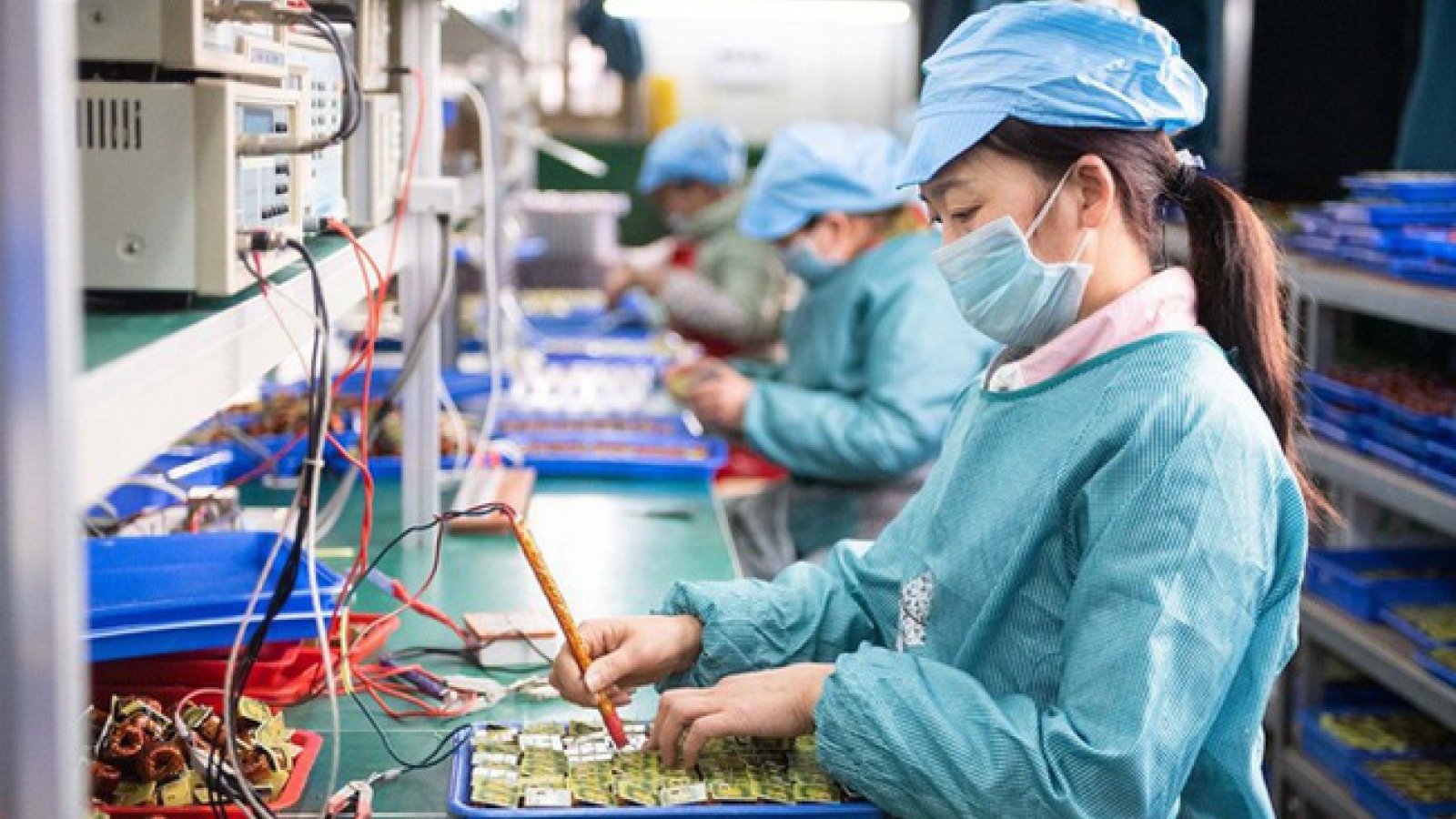
VOV.VN -The total import-export turnover of Vietnam's electronics, computers and components sector exceeded US$170 billion during the five-month period of 2026, setting a new record and up by nearly US$54 billion from the same period last year.