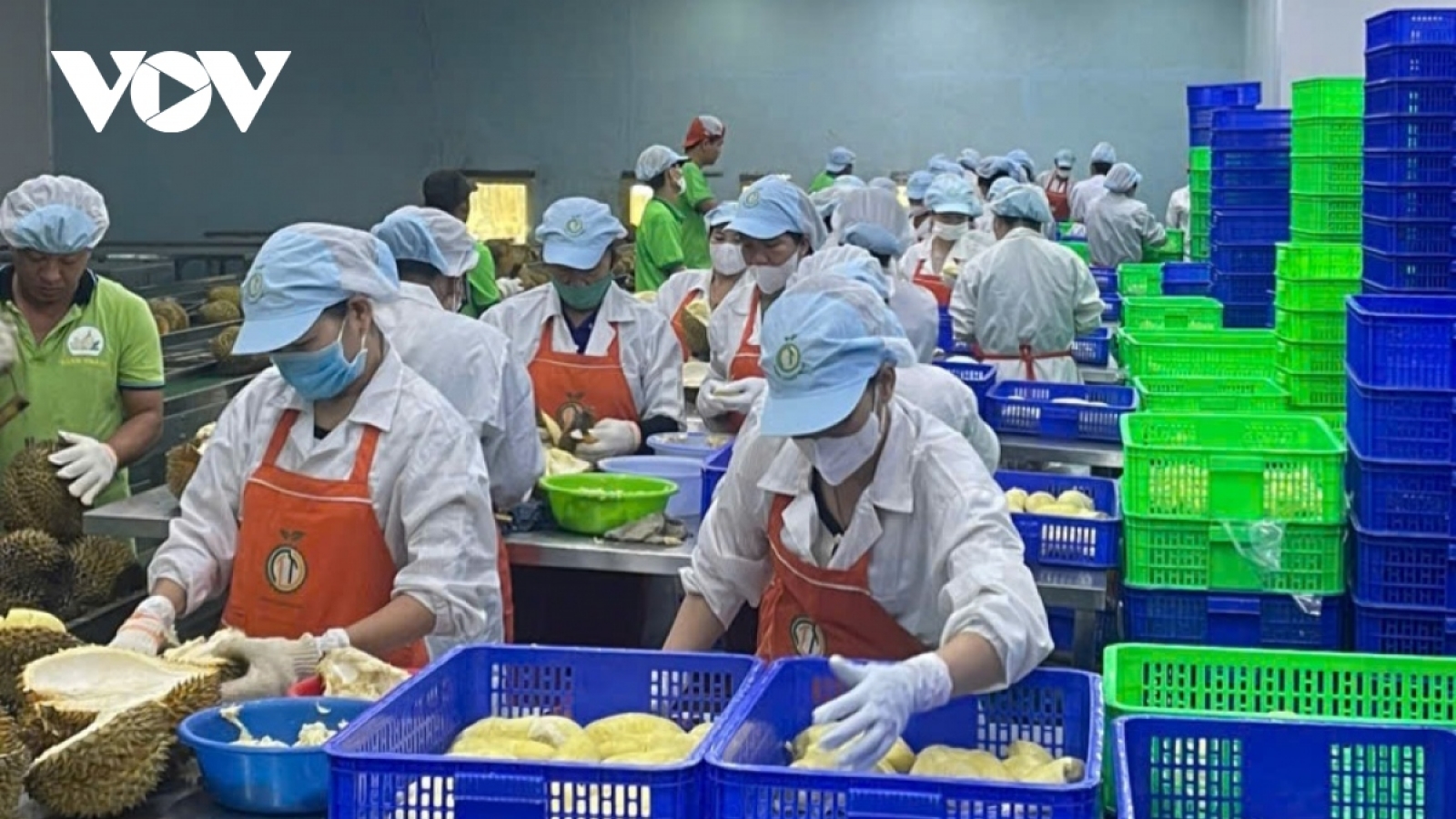
Agricultural exports increase, but face climate-related challenges

Vietnam’s agricultural sector is targeting export revenue of US$73–74 billion in 2026, but increasingly severe weather conditions linked to the El Niño phenomenon are expected to pose significant challenges in the second half of the year.

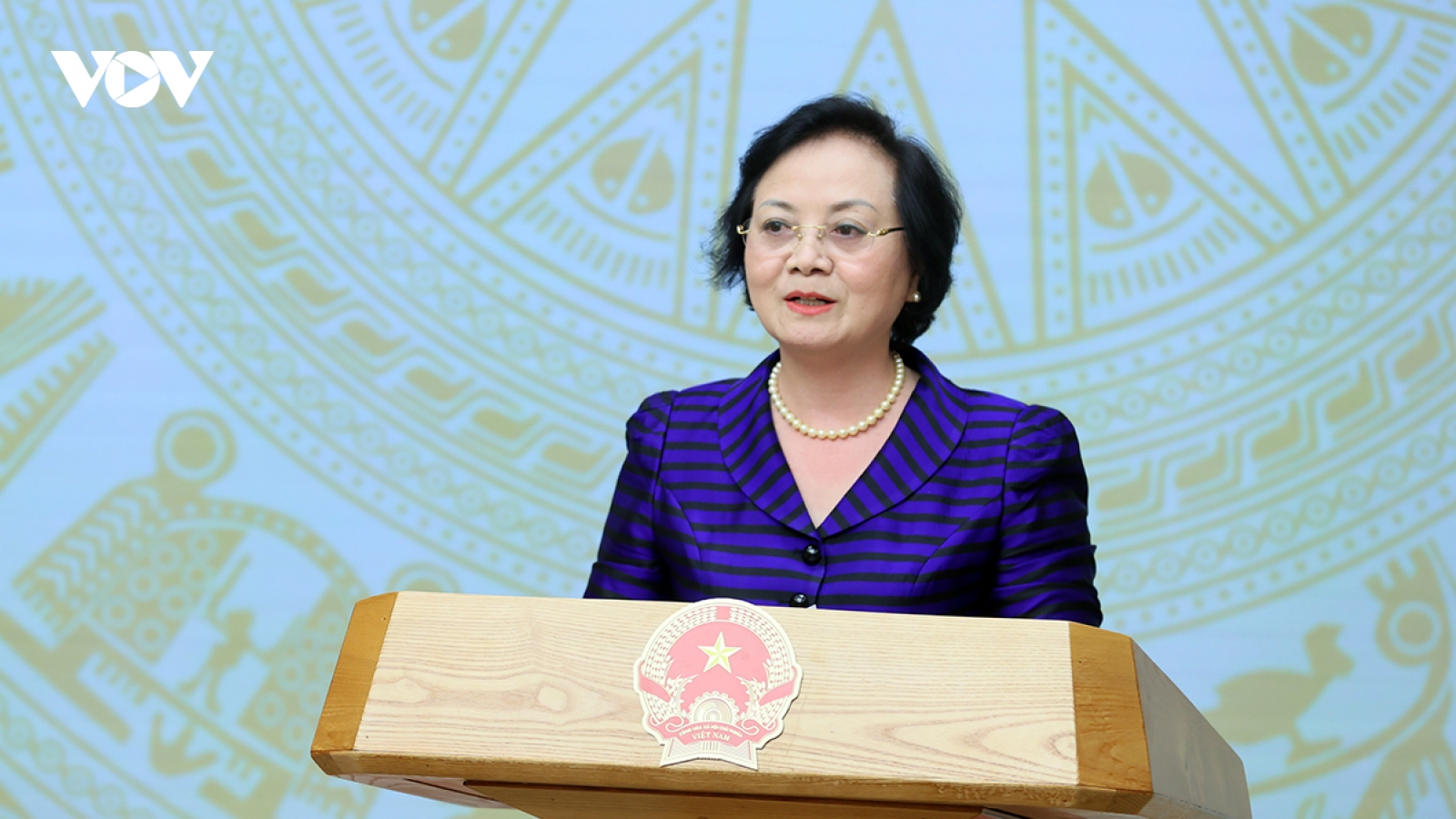
According to Tran Gia Long, deputy director of the Planning-Finance Department under the Ministry of Agriculture and Environment, agricultural exports have maintained positive momentum in the first half of 2026, supported by the effective utilisation of free trade agreements and efforts to diversify export markets.
Agro-forestry-fishery exports are estimated to reach US$30.69 billion by the end of June, up 9.2% year on year. Several key sectors record robust growth, including fisheries, which rise by 10.6%, forestry products by 4.5%, and livestock products by an impressive 43.2%.
Traditional export markets continue to increase imports from Vietnam. Exports to China surge 28.4% compared to the same period last year, while shipments to the European Union (EU) and Japan increase by 4.2% and 3.5%, respectively.
However, Long cautioned that the global economic outlook remains uncertain, competition is intensifying and import standards are becoming increasingly stringent. Sustaining growth will therefore require comprehensive and coordinated measures.
In addition to market pressures, the agricultural sector is facing growing risks from extreme weather events expected in the latter months of the year due to El Niño.
Dang Thanh Mai, deputy director of the ministry’s Hydrometeorological Administration, said temperatures nationwide are forecast to remain 0.5–1.5 degrees Celsius above the long-term average during the remainder of 2026, with deviations reaching 1–2 degrees Celsius between October and December.
Northern Vietnam, including Hanoi, is likely to experience more frequent and intense heatwaves during the remaining summer months, with temperatures potentially exceeding historical records.
El Niño is also expected to reduce rainfall by 25–50% across much of the country, particularly in the south central coastal, Central Highlands and southern regions. The resulting water shortages could lead to widespread drought conditions, posing serious risks to agricultural production.
Deputy Minister of Agriculture and Environment Dang Ngoc Diep said the ministry has instructed relevant agencies to prepare contingency plans and strengthen monitoring of weather developments. Localities are encouraged to adjust crop structure, adopt drought- and salt-tolerant crop varieties, and improve water management, especially in the Mekong Delta.
The ministry is also working closely with local authorities to optimise the operation of multi-purpose irrigation systems and ensure adequate water supplies for production.
In the coming time, Vietnam will continue restructuring its agricultural sector, promoting value-added production, food safety and traceability systems, while making greater use of trade agreements to expand export markets and achieve its growth objectives for 2026.
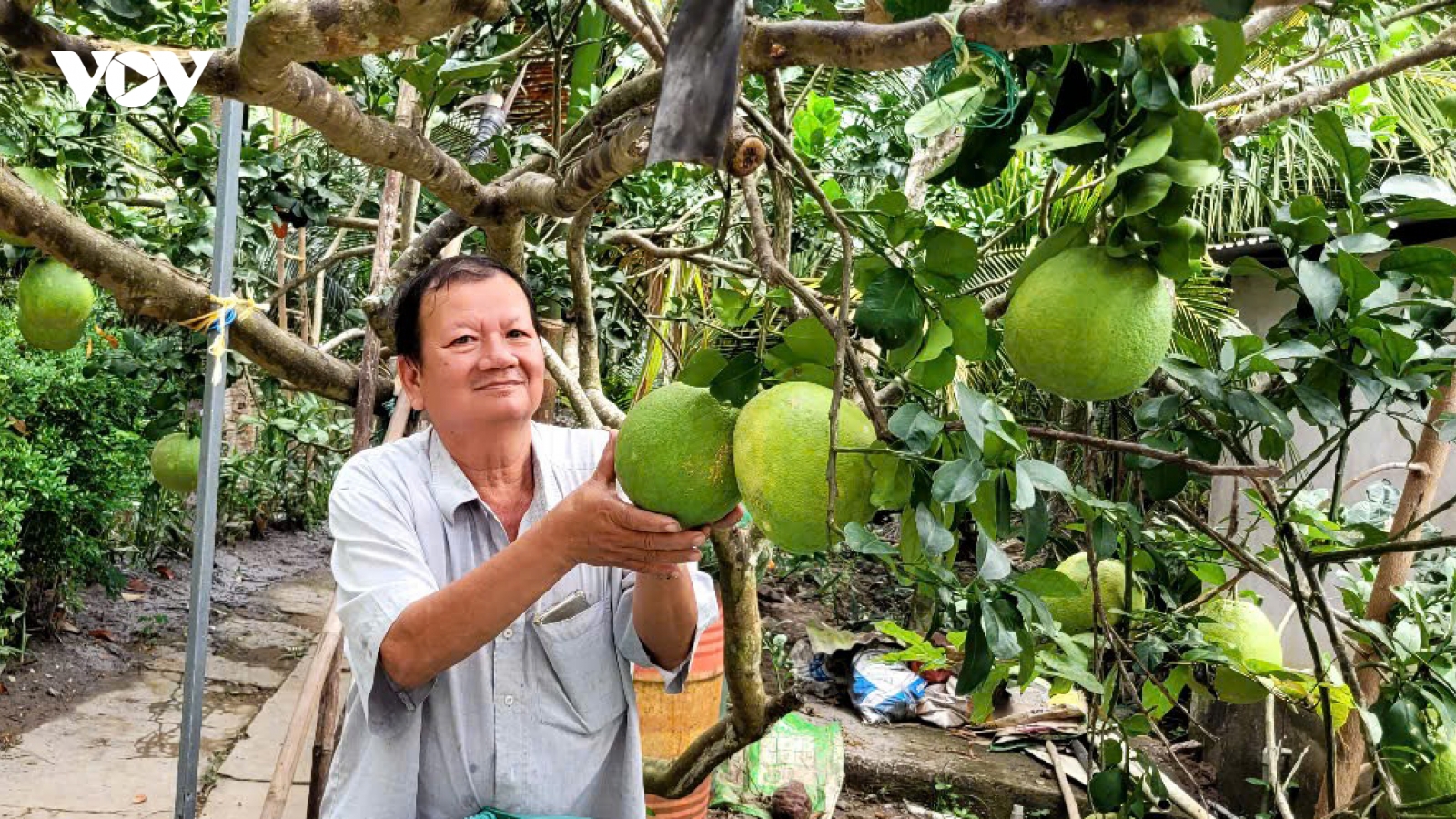
Fruit exports to China set to surge as pomelo and lemon gain market access
VOV.VN - Vietnam’s fruit and vegetable exports are expected to see robust growth as China officially opens its market to Vietnamese pomelo and lemon, just days after the first shipments of Vietnamese pomelo were dispatched to Australia.